![Movie poster for [REC]](https://image.tmdb.org/t/p/w500/hgyJR4sgMsee6xMFM3xYiG6cDCh.jpg)
[REC]
2007
No user ratings available yet
Representation score: 2.8 out of 10
Representation Score
Fair
2005
Not RatedDirector
Shinya Tsukamoto
Runtime
49 minutes
Average Rating
No ratings yetNew Showbiz Analysis
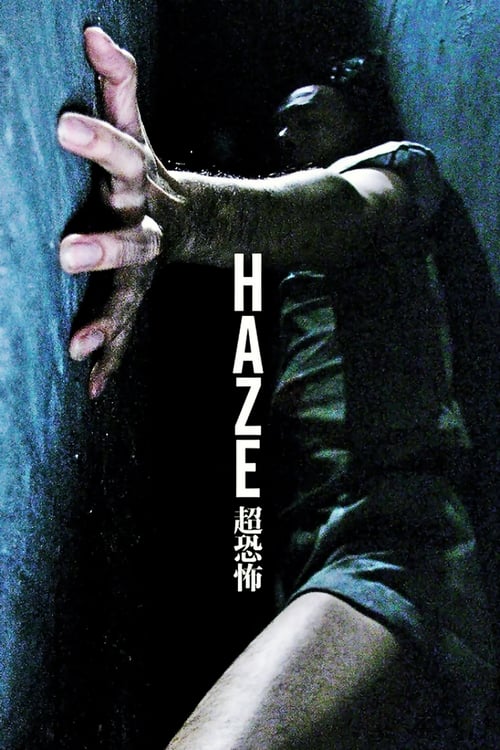
Shinya Tsukamoto’s *Haze* is a work of postmodern deconstruction that prioritizes existential dread over demographic representation. The film’s narrative structure disrupts conventional reality, focusing on the protagonist's subjective experience within a decaying urban landscape. While the film lacks intentional diversity in terms of LGBTQ+ or multi-ethnic casting, it successfully portrays physical and mental vulnerability with ability to act. It avoids traditional clichés by centering on psychological instability and sensory disorientation. Ultimately, the film is a study of alienation, rejecting singular truths in favor of a fragmented, unreliable perspective that mirrors the protagonist's trauma.
Category Breakdown
The film does not include any LGBTQ+ characters or explore non-cisgender identities. It focuses on the protagonist's psychological state and a traumatic relationship with a female figure.
Gender roles are explored through themes of obsession and trauma rather than traditional romantic relationships. The film does not actively challenge gendered power structures, instead focusing on the protagonist's personal struggles.
Set in a dystopian Tokyo, the film highlights a culturally specific Japanese urban environment. It lacks a multi-ethnic cast or characters who reflect more than one aspect of diversity, focusing instead on the protagonist's sense of isolation.
The film uses a fragmented, non-linear structure to question objective truth. It depicts a decaying industrial city as a critique of modern stability and social cohesion.
The protagonist faces significant physical and mental distress, including a stomach wound and dissociative episodes. These elements are integrated into his identity without falling into the trap of inspirational stories.
Present on Screen
Limited or Absent
Official Synopsis
A man awakes to find himself trapped in a dirty, confined crawlspace. He barely has enough room to move. He also has no memory of why he's there, or why he's bleeding from a stomach wound. Apparently drugged, he occasionally 'zones out' of his surroundings as he tries to edge towards his way to freedom. But the more he explores, the more pain he has to endure, and the more frightening his predicament becomes.
2007

2000
2015

1997
2013

2004

2013
2013
No reviews yet. Be the first to share your thoughts on this movie!
Use the rating form above to leave a star rating and optional review.