Ursa Minor Blue
1993
No user ratings available yet
Representation score: 4.5 out of 10
Representation Score
Fair
1984
Director
Andrew Gaskill, Yoshifumi Kondo
Runtime
4 minutes
Average Rating
No ratings yetNew Showbiz Analysis
This pilot serves as a foundational, experimental piece that prioritizes surrealist world-building over explicit social representation. It functions primarily to establish the visual and thematic groundwork for the later feature film. The work lacks specific markers reflecting multiple aspects of identity, focusing instead on the mechanics of the subconscious. While the dream-logic setting allows for fluid expressions, the narrative does not provide concrete examples of diverse identities. Ultimately, the film's strength lies in its departure from grounded reality, which provides a framework that challenges traditional social expectations, even if it lacks direct demographic inclusion.
Category Breakdown
The narrative focuses on dreamscape mechanics and the protagonist's journey. There are no explicit depictions of LGBTQ+ identities or same-sex romantic arcs in this installment.
The surrealist mythos disrupts conventional gender hierarchies by prioritizing dream-logic over social realism. However, the pilot lacks specific evidence of women's ability to drive the story, reflecting a shift from traditional archetypes.
The visual language is heavily influenced by early 20th-century Western aesthetic traditions. The available context does not confirm a non-white or non-Anglo-Saxon majority cast.
Slumberland operates as a space where conventional social hierarchies are secondary to the whims of the dream state. The setting rejects physical laws in favor of subjective experience.
There is no documented evidence regarding the portrayal of visible or invisible disabilities within this pilot.
Present on Screen
Limited or Absent
Official Synopsis
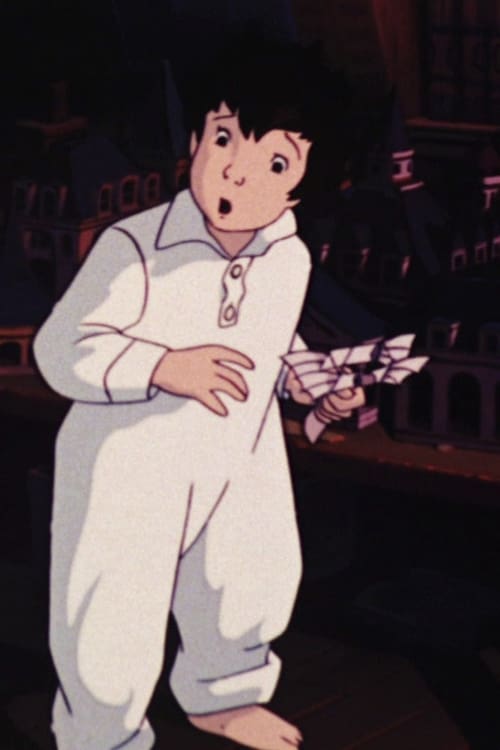
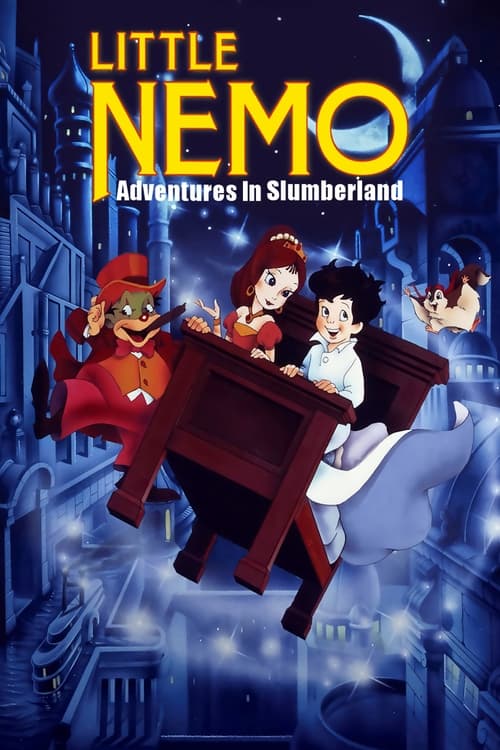
The second of three pilot shorts that eventually became the 1989 movie Little Nemo: Adventures in Slumberland.
1993
1989
1994
2018
1967

1985
1968
2015
No reviews yet. Be the first to share your thoughts on this movie!
Use the rating form above to leave a star rating and optional review.