Little Nemo: Adventures in Slumberland Pilot 2
1984
No user ratings available yet
Representation score: 4.8 out of 10
Representation Score
Good
1939
Director
Aleksandr Ptushko
Runtime
72 minutes
Average Rating
No ratings yetNew Showbiz Analysis
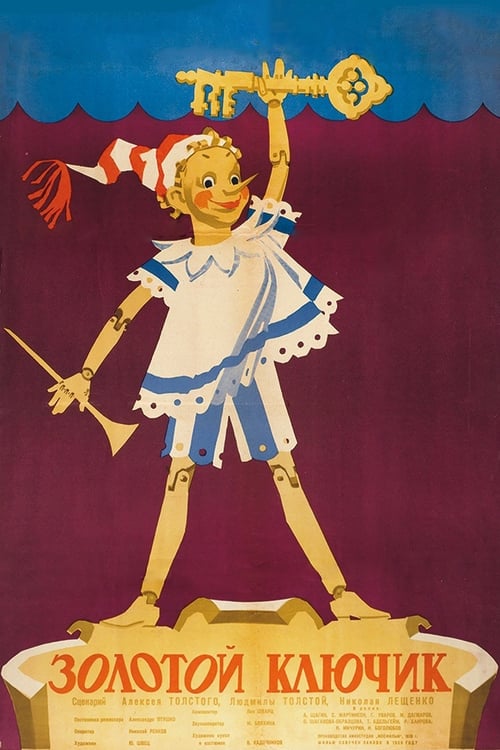
The Golden Key is a technical milestone in Soviet animation that focuses on themes of reclaiming control over one’s life rather than current multi-layered markers. Its strength lies in its critique of oppressive structures through fantasy. While it lacks LGBTQ+ and diverse racial representation, it includes female characters in adventure roles. The film’s success as a cultural allegory for resisting exploitation is shaped by its 1939 historical context.
Category Breakdown
The film does not include explicit LGBTQ+ characters or non-traditional gender identities. It follows traditional fairy-tale archetypes from the 1939 era.
Malvina adds a female perspective to the adventure, going beyond typical domestic roles. However, the specific power balance between male and female characters remains unclear.
The production highlights Soviet folkloric traditions through its fantastical characters. It does not emphasize diverse ethnic representation as a main theme.
The story strongly critiques authoritarianism through conflicts with Karabas-Barabas. The quest for the golden key symbolizes reclaiming control over one’s life.
The wooden boy character explores existence outside biological norms. It is unclear if neurodivergence or physical disabilities are portrayed with real power or used as plot devices.
Present on Screen
Limited or Absent
Official Synopsis
A film combining live action and stop-motion animation about the adventures of the wooden boy Pinocchio and his friends - Pierrot, Malvina and Artemon the Poodle, about the mysterious golden key that opens the cherished door, about the good Papa Carlo and the evil Karabas-Barabas, Duremar, Basilio the Cat and Alice the Fox.
1984
1928
1955
1936
1967
1934
1953
1949
No reviews yet. Be the first to share your thoughts on this movie!
Use the rating form above to leave a star rating and optional review.