Boys
2021
No user ratings available yet
Diversity score: 4.4 out of 10
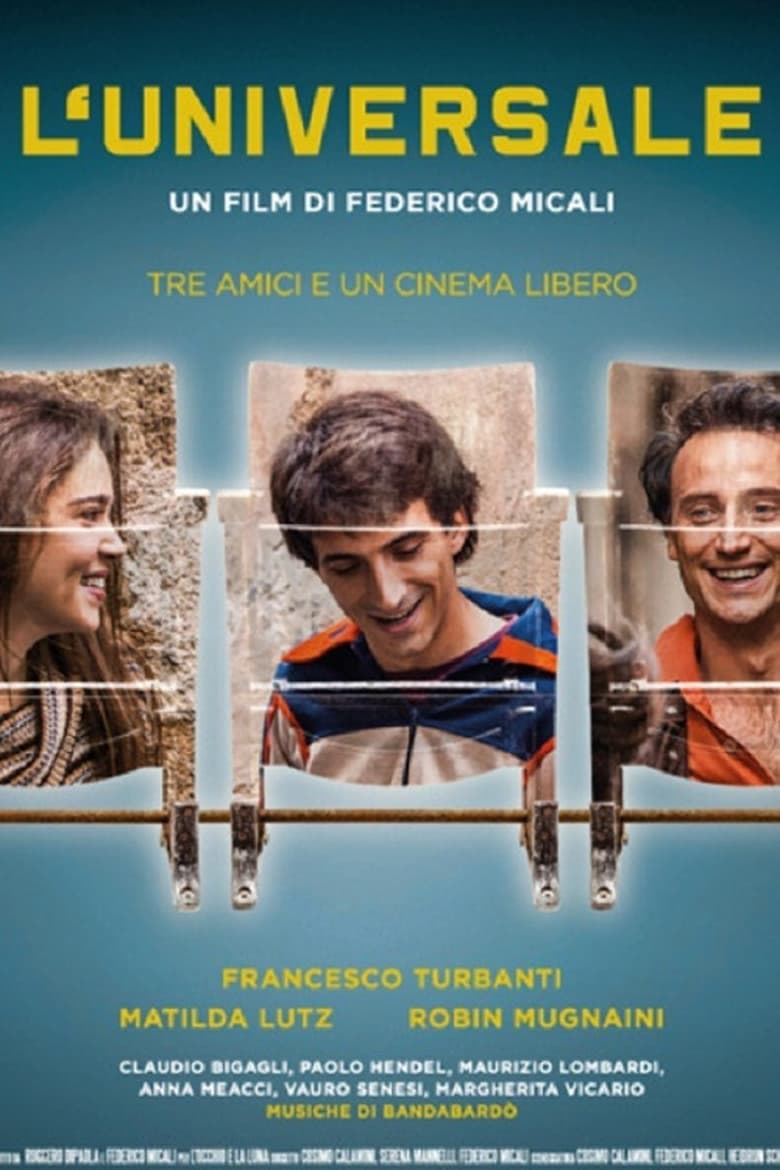
2016
Director
Federico Micali
Average Rating
No ratings yetSynopsis
This is the story of 3 friends, destined to lose and find each other over and over again. More importantly, this is the (true) story of a film theatre in Florence, The Universale, which was a cultural landmark in the city between the '60s and the '80s. It was a theater of its own kind, bringing together intellectuals, students, as well as the people from San Frediano, a well-known working-class Quartiere. Such unusual mixture among the cinema-goers also produced a sort of creative chaos, which is explored through the eyes of Tommaso, the projectionist's son.
Overall Score
Fair
Category Breakdown
LGBTQ+ Representation
The film lacks explicit evidence of LGBTQ+ characters or narratives. The thematic focus remains centered on class intersections rather than non-heteronormative identities.
Gender Representation
The story follows a masculine-centric friendship and the perspective of a male protagonist. There is no clear evidence of female agency or the subversion of gender hierarchies.
Racial & Ethnic Diversity
Set in historical Florence, the film likely reflects the demographic homogeneity of the era. It prioritizes class-based social mixtures over multi-ethnic or racial diversity.
Religious & Cultural Diversity
The film captures the blending of intellectuals and the working class within a communal landmark. It explores social integration through the lens of regional cultural history.
Disability Representation
There is no information available regarding the portrayal of characters with physical or neurodivergent disabilities.
Strengths
Areas for Improvement
AI Analysis
L'universale functions primarily as a nostalgic period piece centered on the social dynamics of a specific Florentine neighborhood. It succeeds in depicting the friction between different social strata, specifically the intellectual elite and the working-class residents of San Frediano. However, the film's diversity is largely limited to class-based sociology. It lacks intentionality regarding modern intersectional frameworks, such as gender, sexuality, or racial representation, which are not central to its historical narrative. Ultimately, the work serves as a localized cultural chronicle rather than a vehicle for progressive identity politics.
2021
2016
2016
1989
2006
2014
2017
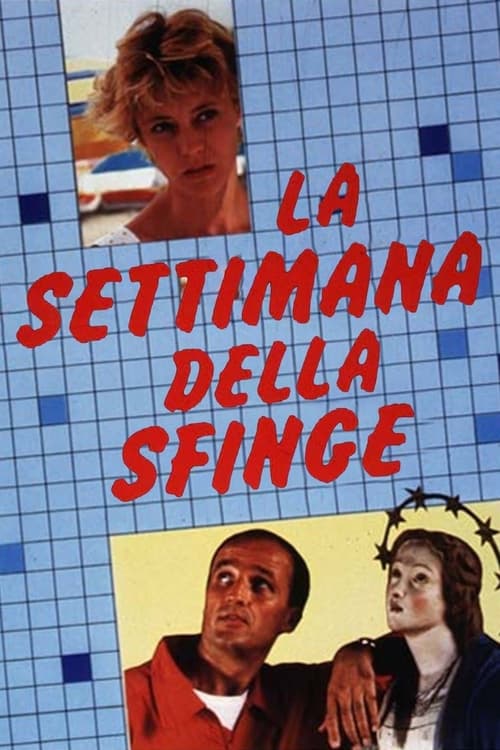
1990
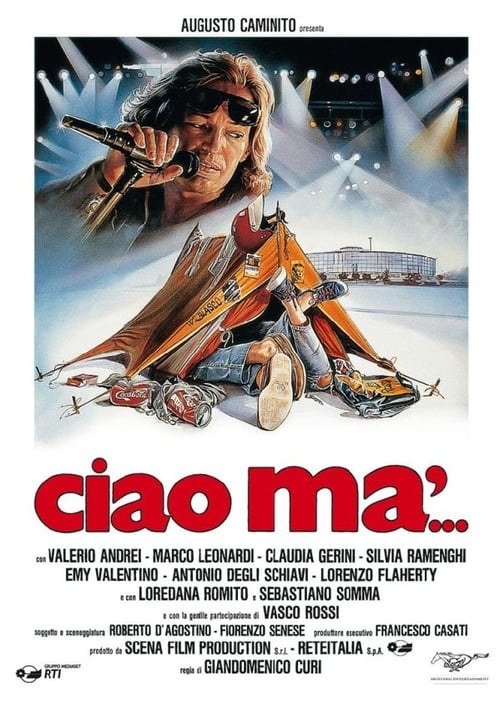
1988

2011
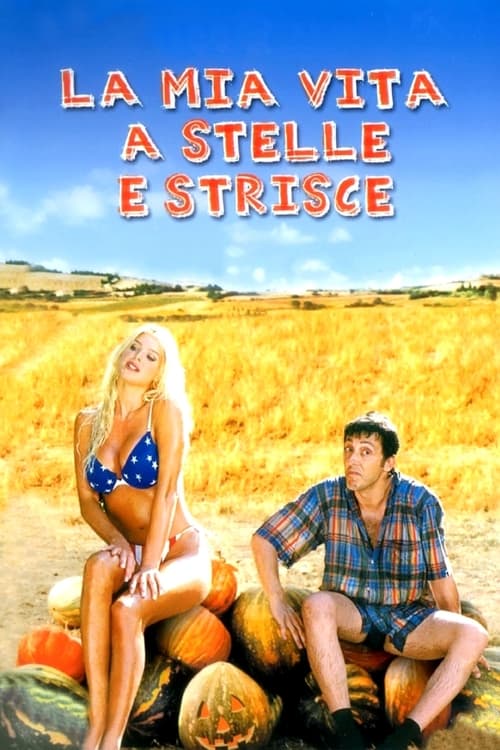
2003
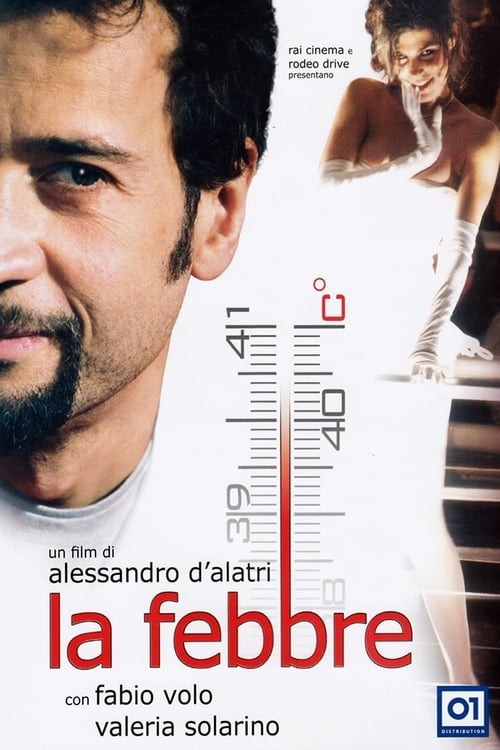
2005
No reviews yet. Be the first to share your thoughts on this movie!
Use the rating form above to leave a star rating and optional review.