Madame Q
1929
No user ratings available yet
Representation score: 0.8 out of 10
Representation Score
Minimal
1934
PassedDirector
Arthur Ripley
Runtime
18 minutes
Average Rating
No ratings yetNew Showbiz Analysis
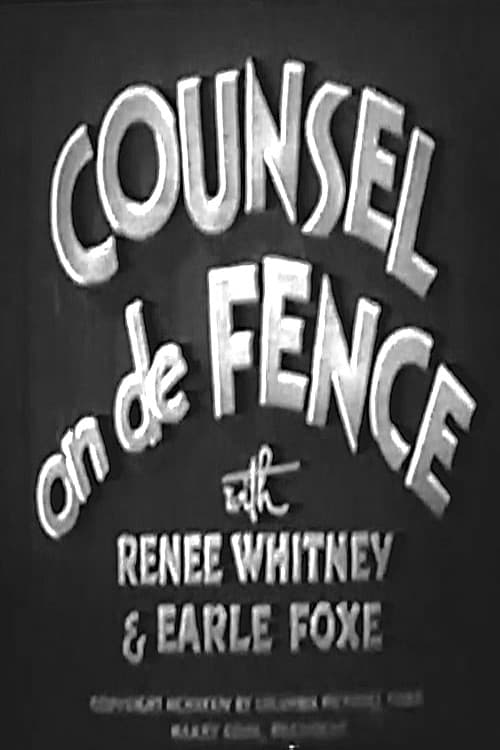
Counsel on De Fence is a period-specific genre piece that offers a nuanced look at gender through its female lead. By placing a woman at the center of a murder accusation, the film provides a level of ability to act rarely seen in passive female archetypes of the era. However, the film remains limited by the social boundaries of 1934. It lacks racial diversity and any representation of LGBTQ+ identities or disabilities, reflecting the era's demographic homogeneity. Ultimately, the film's strength lies in its departure from moral absolutism, even as it stays within conventional social hierarchies.
Category Breakdown
The film does not include any identifiable LGBTQ+ characters or non-straight relationships. It adheres to the traditional romantic and social structures of the 1930s.
A central female protagonist provides meaningful representation by navigating a high-stakes legal crisis. While she takes control, power dynamics remain tied to the male lead.
The production reflects the demographic homogeneity of early 1930s studio filmmaking. It focuses on Anglo-centric perspectives without significant indicators of racial depth.
The narrative explores situational ethics and moral relativism rather than rigid moralism. It examines traditional institutions through the lens of personal survival and legal tension.
There is no evidence of characters with visible or invisible disabilities. The film does not engage with neurodivergence or physical impairment as character themes.
Present on Screen
Limited or Absent
Official Synopsis
New lawyer Harry defends a woman charged with poisoning her husband.
1929
1942
1943

2023
1933

1935
1934
1933
No reviews yet. Be the first to share your thoughts on this movie!
Use the rating form above to leave a star rating and optional review.