Muse
2018
No user ratings available yet
Representation score: 5.0 out of 10
Representation Score
Fair
2008
RDirector
Robert Beaucage
Runtime
80 minutes
Average Rating
No ratings yetNew Showbiz Analysis
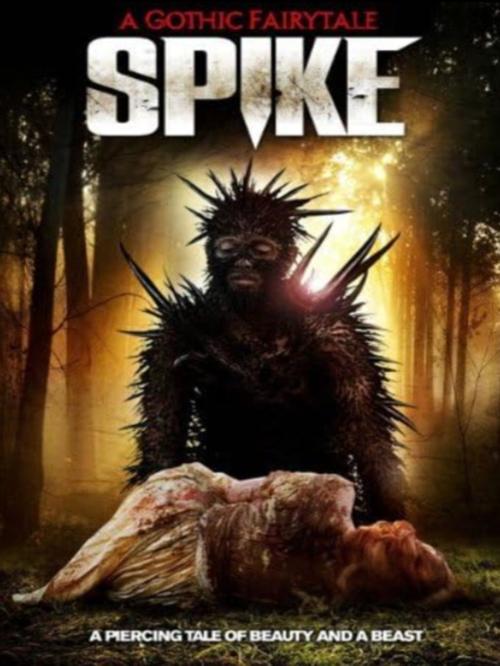
Spike reimagines classic folklore, particularly 'Beauty and the Beast,' through a psychological horror lens. By focusing on female autonomy in a dark, predatory environment, it offers a more nuanced exploration of autonomy compared to traditional fairy tales. However, the film lacks documented diversity in terms of race, ethnicity, and LGBTQ+ identities. This narrows its scope to a character-driven psychological study without broadening its representation.
Category Breakdown
The story revolves around a male antagonist's fixation on the female protagonist. While comparisons to other genres hint at possible queer undertones, there are no explicit LGBTQ+ identities confirmed.
The film breaks the damsel in distress cliché by putting the female protagonist in a high-stakes survival scenario. Her journey highlights her independence and control over her fate.
There is no documented information regarding the ethnic composition of the cast. The focus remains on psychological atmosphere rather than visible demographic breadth.
The story challenges traditional romantic notions by depicting obsessive love through a horror lens. It uses surreal imagery to question conventional social norms and folklore traditions.
The film does not feature any characters with visible or invisible disabilities.
Present on Screen
Limited or Absent
Official Synopsis
Described as "Angela Carter rewriting La Belle et la Bête as an episode of Buffy the Vampire Slayer", the story follows, through a tapestry of dreamlike images, a girl (Sarah Livingston Evans) and her three friends—the characters' names are never revealed—as they find themselves stranded in a dark and surreal forest by someone—or something (Edward Gusts)—who has obsessively loved, watched, and waited for the girl ever since childhood.
2018
1984
2009
2007
2011
1970
2017
2020
No reviews yet. Be the first to share your thoughts on this movie!
Use the rating form above to leave a star rating and optional review.