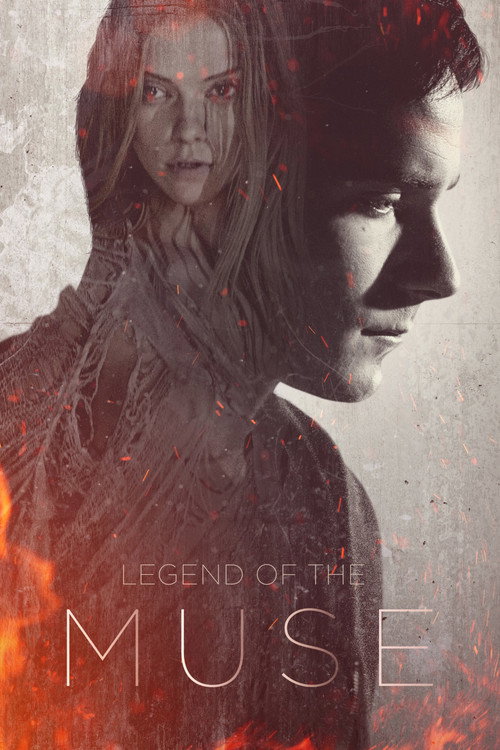
Legend of the Muse
2020
No user ratings available yet
Representation score: 0.0 out of 10
Representation Score
Fair
2018
Director
John Burr
Runtime
95 minutes
Average Rating
No ratings yetNew Showbiz Analysis
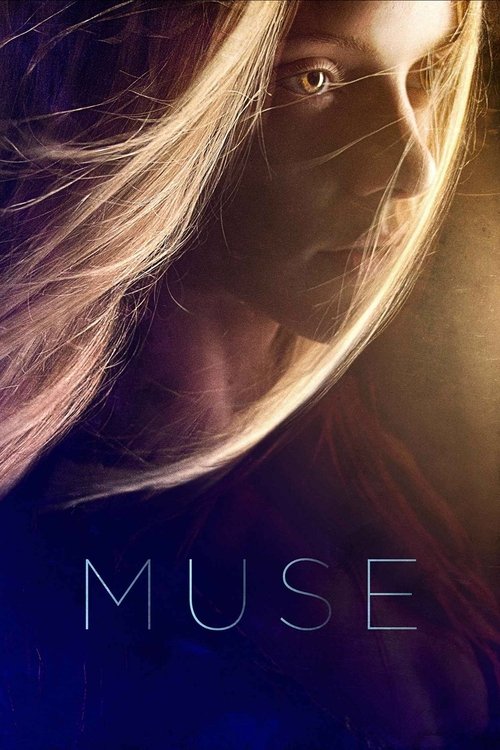
Muse combines genre elements to explore obsession through Celtic mythology, complicating traditional romantic clichés with a supernatural partner. However, the film remains tied to specific European cultural frameworks and traditional gender roles, limiting its broader inclusivity. The story offers a nuanced exploration of character's ability to drive the story and moral ambiguity.
Category Breakdown
The film features a romantic relationship between a human and a mythical spirit, challenging typical heterosexual norms by introducing a non-human partner.
The story employs traditional roles of artist and muse but grants the spirit significant power and ability to act, potentially subverting the passive female stereotype.
The narrative is firmly grounded in Celtic lore and European ethnic identity, with no indication of a diverse or non-Anglo-Saxon majority cast.
By portraying a traditionally threatening creature as a lover, the film questions moral absolutes and presents a more nuanced understanding of good and evil through folklore.
There is no evidence of characters with visible or invisible disabilities in the narrative.
Present on Screen
Limited or Absent
Official Synopsis
A painter's life is forever changed when a mythical and deadly spirit from Celtic lore – a Leannán Sí – becomes his muse and lover.
2020

2018
2020
2014
No reviews yet. Be the first to share your thoughts on this movie!
Use the rating form above to leave a star rating and optional review.