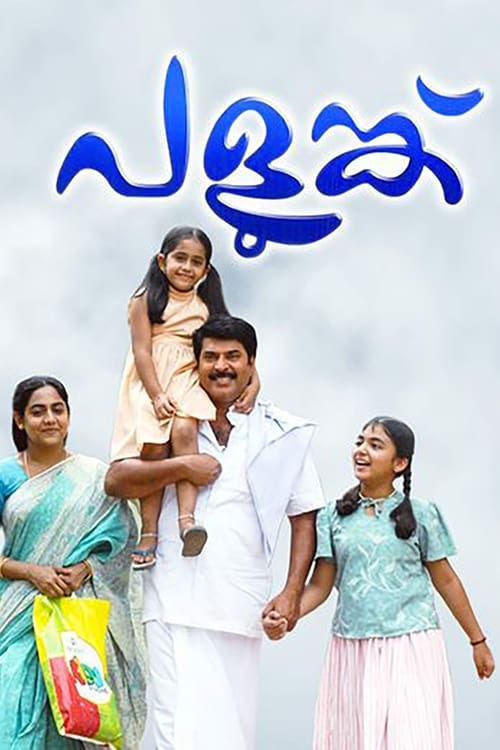
Palunku
2006
No user ratings available yet
Diversity score: 2.6 out of 10

2013
Director
Blessy
Runtime
119 minutes
Average Rating
No ratings yetSynopsis
Inspired by the Puranic story of Abhimanyu and his mother Subhadra, the film portrays the relationship of the protagonist with her baby, before and after it is born.
Overall Score
Fair
Category Breakdown
LGBTQ+ Representation
The film lacks LGBTQ+ characters or non-cisnormative identities. It focuses entirely on heteronormative familial structures and the biological ties of motherhood.
Gender Representation
The narrative centers on a woman's perspective and emotional labor. While the protagonist shows significant resilience, the story operates within traditional gender hierarchies and domestic roles.
Racial & Ethnic Diversity
The film features a predominantly Malayali cast, offering authentic representation of Kerala's regional identity. It maintains high cultural specificity through a South Asian lens.
Religious & Cultural Diversity
The story adheres to traditional moral narratives and religious institutions. It uses the cultural fabric of the setting to ground the emotional stakes of the characters.
Disability Representation
There is no evidence of characters with visible or invisible disabilities driving the narrative or serving as central plot devices.
Strengths
Areas for Improvement
AI Analysis
Blessy's drama succeeds as a character study of maternal agency, using mythological archetypes to explore the emotional landscape of motherhood. It provides a deeply authentic look at Kerala's cultural fabric and regional identity. However, the film remains firmly within traditional social structures. It does not attempt to subvert gender hierarchies or engage with queer identities, focusing instead on the stability of established family and religious frameworks. Ultimately, the film offers meaningful character depth within a conventional setting rather than providing a critique of systemic social or institutional norms.
2006
2004

2018
2010

2008
1971
1999
1993
1999
1970
2013

2017
No reviews yet. Be the first to share your thoughts on this movie!
Use the rating form above to leave a star rating and optional review.