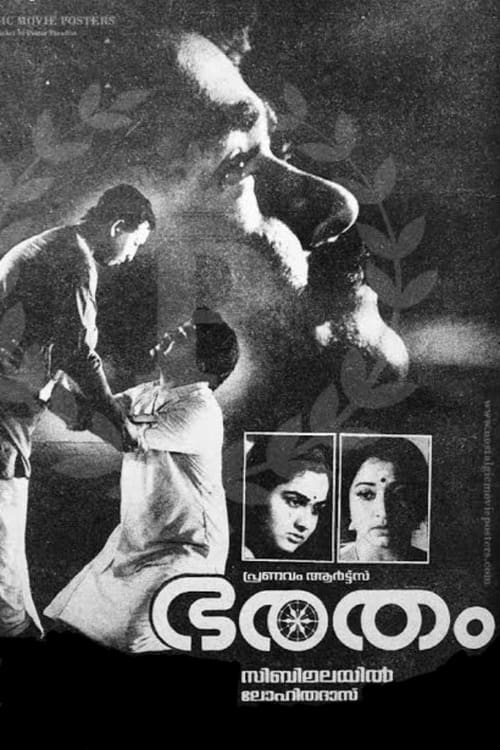
Bharatham
1991
No user ratings available yet
Diversity score: 3.4 out of 10

1999
Director
Sibi Malayil
Runtime
165 minutes
Average Rating
No ratings yetSynopsis
Parmeshwaran aka Ustaad leaves behind a life of crime and goes to his hometown with his sister Padmaja. But the demons of his past life come back to haunt him after Padmaja falls in love with a boy.
Overall Score
Limited
Category Breakdown
LGBTQ+ Representation
The film lacks LGBTQ+ characters or narratives. Romantic arcs focus exclusively on traditional heteronormative pairings without exploring non-heteronormative identities.
Gender Representation
Manju Warrier provides a central emotional pillar, yet female characters largely operate within traditional family frameworks. The plot remains driven by the male protagonist's struggle and protective role.
Racial & Ethnic Diversity
The cast is culturally homogeneous, reflecting its specific Kerala setting. It offers an authentic representation of Malayali identity rather than pursuing intersectional racial blending.
Religious & Cultural Diversity
The narrative emphasizes family preservation and reconciliation over systemic critique. It aligns with traditional social values rather than challenging them through a postmodern lens.
Disability Representation
There are no visible or invisible disabilities portrayed as central to the story. No characters with disabilities serve as primary plot devices.
Strengths
Areas for Improvement
AI Analysis
Ustaad is a character-driven drama centered on a male redemption arc. While emotionally resonant, the film adheres to the traditional dramatic tropes of late 1990s Kerala cinema. The narrative reinforces established social and familial norms rather than subverting them. It prioritizes interpersonal melodrama and the protagonist's transition from crime to domesticity over identity-driven exploration. Ultimately, the film functions as a regional period piece that lacks intentional engagement with intersectional politics or the deconstruction of conventional power hierarchies.
1991
1993
1987
2007

1979

1996
2000
2001
2003
1999
2004
2001
No reviews yet. Be the first to share your thoughts on this movie!
Use the rating form above to leave a star rating and optional review.