
Mum's List
2016
No user ratings available yet
Representation score: 6.0 out of 10
Representation Score
Fair
2013
Director
Matt Creed
Runtime
85 minutes
Average Rating
No ratings yetNew Showbiz Analysis
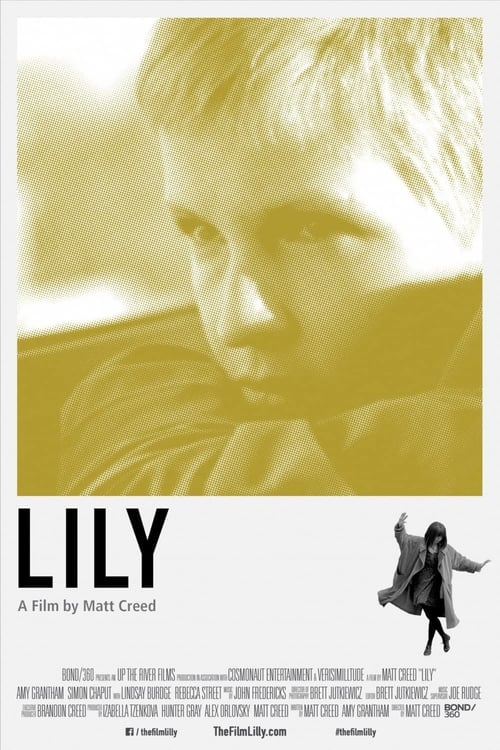
Lily is a character-driven drama that finds its strength in the internal journey of its female protagonist. By centering the narrative on her role in driving the story and her clarity after a cancer diagnosis, the film moves beyond simple medical clichés to explore complex human emotions. However, the film remains somewhat conventional in its social architecture. The focus on a male figure in a romantic relationship and the lack of visible multi-layered or queer identities suggest a more traditional storytelling approach. Ultimately, the film functions as a focused study of individual resilience and family dynamics, though it lacks the broader systemic critique or diverse casting details needed for a higher diversity rating.
Category Breakdown
The film does not include any explicit LGBTQ+ characters or non-straight relationships. The focus on an older man in a romantic relationship suggests a conventional narrative structure.
The story revolves around a female protagonist dealing with medical trauma and life changes. She demonstrates a strong role in driving the story, but the central focus on a male partner limits the challenge to traditional gender roles.
There is no information available about the racial or ethnic makeup of the cast. The film's setting and casting diversity cannot be assessed from the provided details.
Themes of mortality and family estrangement drive the narrative. The focus on personal truth and existential clarity suggest a lean toward secularism rather than traditional religious structures.
The protagonist's struggle with breast cancer serves as a catalyst for psychological growth. The film avoids 'inspiration porn' by prioritizing her emotional development over her physical illness.
Present on Screen
Limited or Absent
Official Synopsis
Nearing the end of her treatment for breast cancer, Lily focuses on life with newfound clarity, reevaluating her relationship with an older man and her feelings about her long-absent father.
2016

2005

2014

2001
2017

2015

2016
2023
No reviews yet. Be the first to share your thoughts on this movie!
Use the rating form above to leave a star rating and optional review.