
Heaven and Hell
1988
No user ratings available yet
Representation score: 5.0 out of 10
Representation Score
Fair
1986
Director
Astrid Henning-Jensen
Runtime
90 minutes
Average Rating
No ratings yetNew Showbiz Analysis
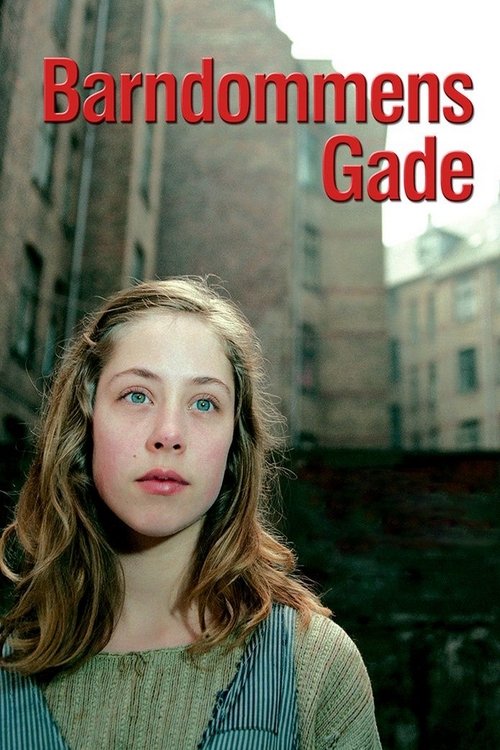
Barndommens gade is a social realist drama that delves into the inner life of its young female protagonist. By focusing on Ester's intellectual pursuits and poetic dreams, the film offers a meaningful exploration of female empowerment within a restrictive environment. However, the film is primarily shaped by its time and setting. It adheres to traditional social norms, offering limited representation of LGBTQ+ identities or ethnic diversity, reflecting the homogeneous working-class Copenhagen of the era. Ultimately, the film's strength lies in its humanistic portrayal of socioeconomic struggles and individual expression within a communal setting.
Category Breakdown
The film does not include any LGBTQ+ characters or stories that go beyond the assumption that everyone is straight or cisgender. It focuses on a traditional nuclear family in a working-class setting, following the social norms of the time.
Ester, the main character, gains significance through her creative ambitions as a writer. She avoids becoming a secondary domestic figure, but the film still portrays a traditional patriarchal family structure.
Set in a mid-20th-century Copenhagen neighborhood, the film depicts a mostly uniform population. It does not introduce diverse ethnic backgrounds to challenge the historical status quo.
The film highlights the lived experiences of the urban poor by criticizing socioeconomic structures. It emphasizes individual expression against the rigid expectations of a working-class household.
Characters with disabilities are not explicitly mentioned. However, the presence of homeless individuals in the basement introduces social vulnerability, though their specific roles and ability to act remain undefined.
Present on Screen
Limited or Absent
Official Synopsis
In a small two-room apartment in a backyard in Vesterbro, Copenhagen, 14-year-old Ester lives with her father, mother, and older brother Carl. It is a typical working-class neighborhood of the time, and the apartment lacks any modern conveniences. Coal must be fetched from a dark basement where homeless people have sought shelter and lodging for the night. Ester is a dreamer. She wants to be a writer and secretly writes poetry. She often loses track of time and place when her thoughts wander.
1988

2020
2000

1961
1973

1945

2015

2024
No reviews yet. Be the first to share your thoughts on this movie!
Use the rating form above to leave a star rating and optional review.