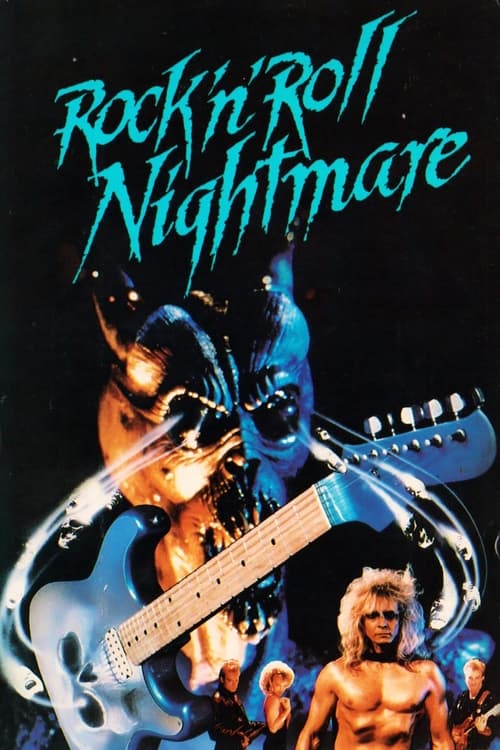
Rock 'n' Roll Nightmare
1987
No user ratings available yet
Diversity score: 2.3 out of 10
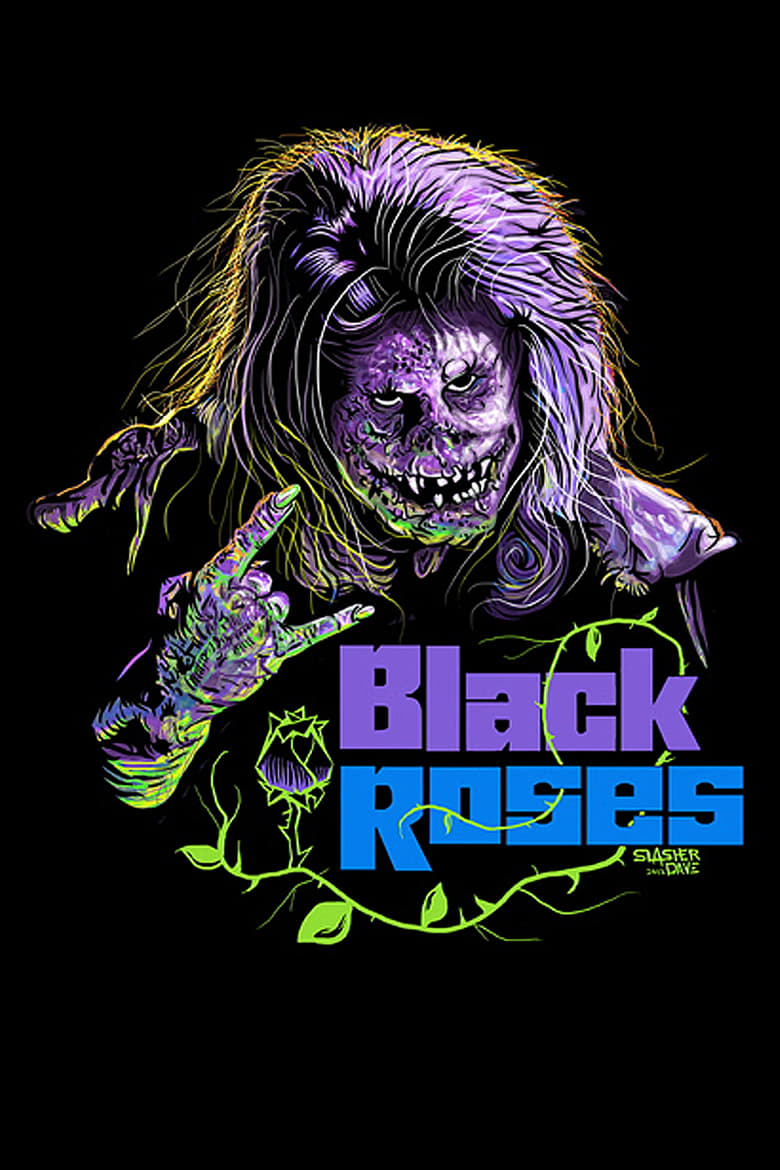
1988
RDirector
John Fasano
Runtime
90 minutes
Average Rating
No ratings yetSynopsis
Teens in a small conservative town are turned into evil demons thanks to the music of the titular heavy metal band.
Overall Score
Limited
Category Breakdown
LGBTQ+ Representation
The film lacks evidence of queer narratives or non-cisnormative identities. It focuses on the tension between musical subcultures and conservative town structures.
Gender Representation
The story follows traditional horror archetypes of the late 1980s. While the teen cast includes female characters, there is no subversion of gender hierarchies.
Racial & Ethnic Diversity
The setting suggests a homogeneous demographic typical of 1980s horror. There is no indication of diverse racial or ethnic casting.
Religious & Cultural Diversity
The film critiques traditional social structures by framing a conservative town as a site of conflict. However, it treats the subculture as a corrupting influence.
Disability Representation
There is no documented evidence of characters with visible or invisible disabilities within the narrative.
Strengths
Areas for Improvement
AI Analysis
Black Roses is a period-specific horror film that relies on the friction between heavy metal subcultures and conservative communal structures. The narrative uses music as a supernatural catalyst for demonic transformation rather than exploring complex social identities. The film operates within the established tropes of 1980s genre cinema. It prioritizes the 'corrupting influence' trope over intersectional representation or the deconstruction of traditional social hierarchies. Ultimately, the work functions as a cautionary tale about non-conformity. It lacks the intentionality needed to disrupt conventional expectations regarding race, gender, or identity.
1987
1984
1989
2012

1996

1987

1983
1985
No reviews yet. Be the first to share your thoughts on this movie!
Use the rating form above to leave a star rating and optional review.