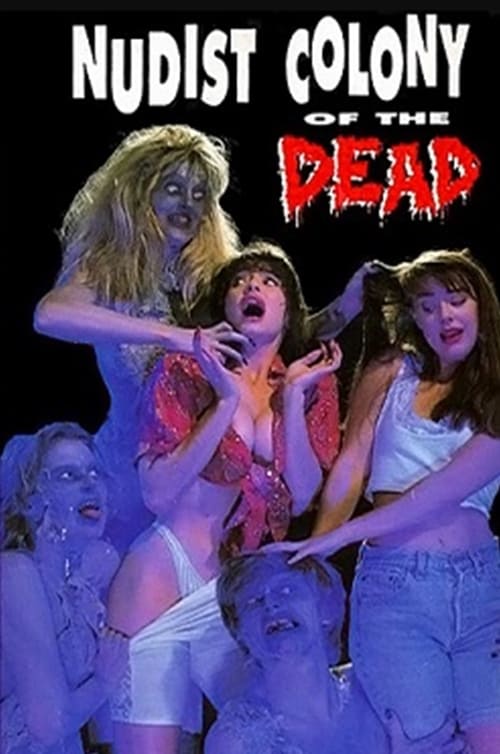
Nudist Colony of the Dead
1991
No user ratings available yet
Representation score: 3.9 out of 10
Representation Score
Limited
1985
RDirector
Krishna Shah
Runtime
98 minutes
Average Rating
No ratings yetNew Showbiz Analysis
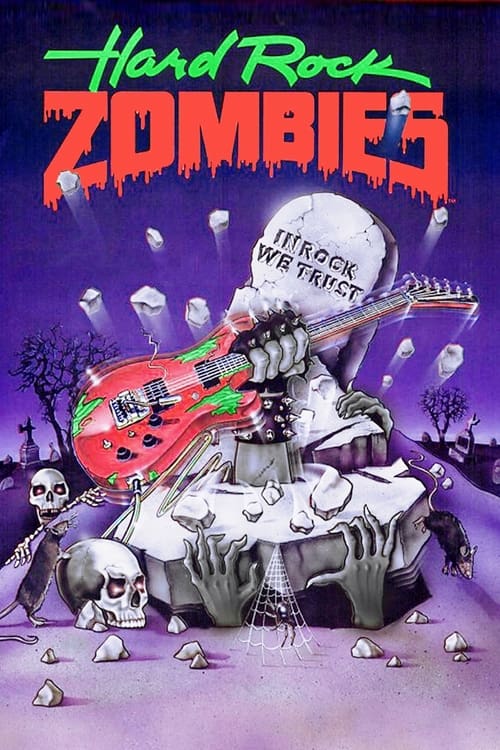
Hard Rock Zombies is a genre-driven exploitation film that prioritizes camp and transgressive horror over meaningful social commentary. It relies heavily on established horror clichés to create shock, often at the expense of meaningful representation. The narrative structure depends on 'othering' various character types. While the chaotic plot disrupts conventional social stability, the film lacks the intentionality needed to subvert systemic hierarchies or provide multi-layered depth. Ultimately, the characters serve the requirements of the horror-comedy genre rather than acting as vehicles for complex identity exploration.
Category Breakdown
The film depicts a romantic relationship between the lead singer and Cassie that assumes everyone is straight. References to 'sex perverts' seem to be used for shock value rather than representing LGBTQ+ identities.
Cassie follows a traditional damsel-in-distress storyline, serving mainly as a catalyst for the male protagonists. Although she initiates the band's revival, her influence remains tied to the male-dominated group.
The story focuses on a homogeneous, Western cast. The setting and character types suggest a narrow, Anglo-Saxon focus without disrupting typical casting norms.
The film embraces the grotesque and absurd, moving away from a singular Christian morality. However, it uses Nazi archetypes as villains rather than offering a structured critique.
The inclusion of 'murderous dwarves' suggests physical differences are used as a horror cliché. Characters are framed as 'monstrous others' rather than individuals with ability to act.
Present on Screen
Limited or Absent
Official Synopsis
A hard rock band travels to the tiny and remote town of Grand Guignol to perform. Peopled by hicks, rubes, werewolves, murderous dwarves, sex perverts, and Hitler, the town is a strange place but that doesn't stop the band's lead singer from falling in love with a local girl named Cassie. After Nazi sex perverts kill the band to satisfy their lusts, Cassie calls the rockers back from the grave to save her, the town, and maybe the world.
1991
1999
2020
1979
1967
1987
2004
1984
No reviews yet. Be the first to share your thoughts on this movie!
Use the rating form above to leave a star rating and optional review.