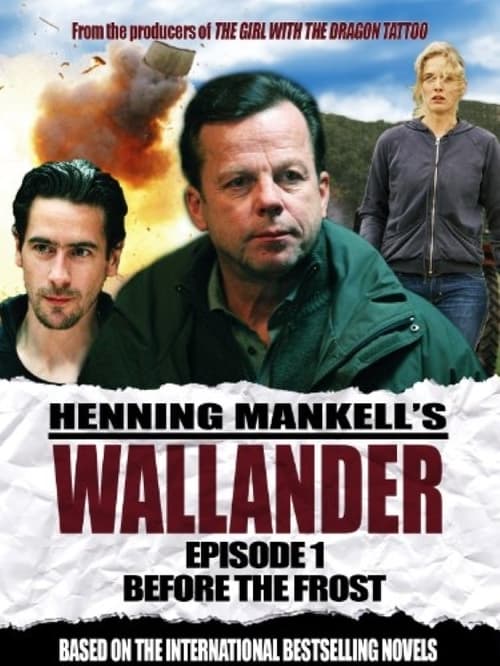
Wallander: Before the Frost
2005
No user ratings available yet
Representation score: 5.2 out of 10
Representation Score
Fair
2005
TV-14Director
Jørn Faurschou
Runtime
92 minutes
Average Rating
No ratings yetNew Showbiz Analysis
The film operates as a traditional Swedish Noir procedural, emphasizing social realism. It excels in its nuanced portrayal of neurodivergence, shifting the focus from individual deficits to the community's failure to integrate outsiders. However, the production remains limited by a lack of racial and LGBTQ+ diversity. The setting and cast reflect a homogeneous social landscape typical of the period's crime dramas, offering little representation of multiculturalism or non-straight identities. Ultimately, the inclusion of female professional ability to act through Linda Wallander provides a necessary disruption to patriarchal clichés, even if the broader institutional structure remains male-dominated.
Category Breakdown
The film follows traditional social structures without highlighting the roles of LGBTQ+ individuals. There are no visible LGBTQ+ characters or storylines that address non-straight relationships.
Linda Wallander's role as a newly graduated officer provides a professional counterpoint to male authority. While her presence challenges the solitary male detective cliché, the procedural remains largely male-centric.
The narrative reflects a relatively homogeneous social environment in the Skåne region. There is no indication of significant racial blending or a diverse cast among the main characters.
The story explores the tension between individuals and the community, focusing on social neglect rather than offering an explicit anti-Western critique. It highlights the community's shortcomings in fostering social cohesion.
The film focuses on neurodivergence and intellectual disabilities, examining the systemic impact of social isolation rather than using cognitive differences as a mere plot device.
Present on Screen
Limited or Absent
Official Synopsis
In the second film with Krister Henriksson as Kurt Wallander, a man enters a bank and threatens to blow it up in the air unless his demands are met. Henning Mankell's sharp-eyed commissioner has the assistance of daughter Linda, newly graduated police officer, and criminal inspector Stefan Lindman.
2005
2009
2005

2005

2013
2009
2009

2006
No reviews yet. Be the first to share your thoughts on this movie!
Use the rating form above to leave a star rating and optional review.