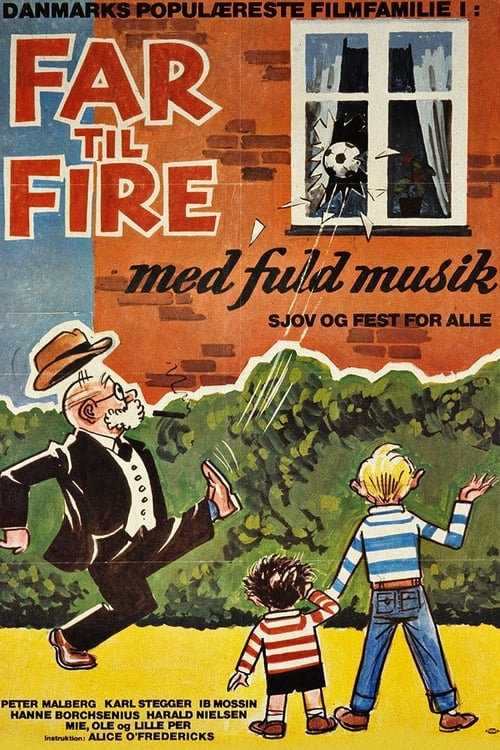
Father of Four: The Whole Shebang
1961
No user ratings available yet
Representation score: 0.5 out of 10

Representation Score
Fair
1969
Director
Shaken Aimanov
Runtime
97 minutes
Average Rating
No ratings yetNew Showbiz Analysis
Shaken Aimanov’s work succeeds as a vehicle for Central Asian identity, moving away from standardized studio formulas to embrace regional specificity. The film's strength lies in its ethnic authenticity and its ability to present a non-Western perspective through local customs and geography. However, the film remains confined by the social structures of the 1960s. The narrative follows traditional gender roles and domestic expectations, particularly in the context of matchmaking. Ultimately, the film is a meaningful cultural document that disrupts cinematic homogeneity, even while adhering to the conventions of its time.
Category Breakdown
The film does not include any explicit LGBTQ+ characters or narratives that challenge traditional heterosexual relationships. The plot centers around conventional marriage pursuits typical of the 1960s.
The story relies on traditional family dynamics and domestic roles. While the protagonist shows a softer side, the plot is driven by conventional matchmaking roles.
This film features significant Central Asian representation by focusing on a Kazakh protagonist. The use of cultural symbols like the tubeteika breaks Eurocentric norms and highlights the protagonist's cultural identity.
The narrative explores the balance between professional life and regional customs. It emphasizes local social norms and communal kindness over a Western moral framework.
There is no depiction of physical or neurodivergent disabilities in the film.
Present on Screen
Limited or Absent
Official Synopsis
Taylak is a kind teacher of geography. People call him "Angel in a tubeteika, a traditional Central Asian skull cap," for his kind caring personality and also because he never parts with his traditional skull cap. One day his mother comes to Almaty to visit him. She decides that it's time her son got married and she starts to look for a bride for Taylak.
1961

1978
1967
1996
1968
1964

2009
1985
No reviews yet. Be the first to share your thoughts on this movie!
Use the rating form above to leave a star rating and optional review.