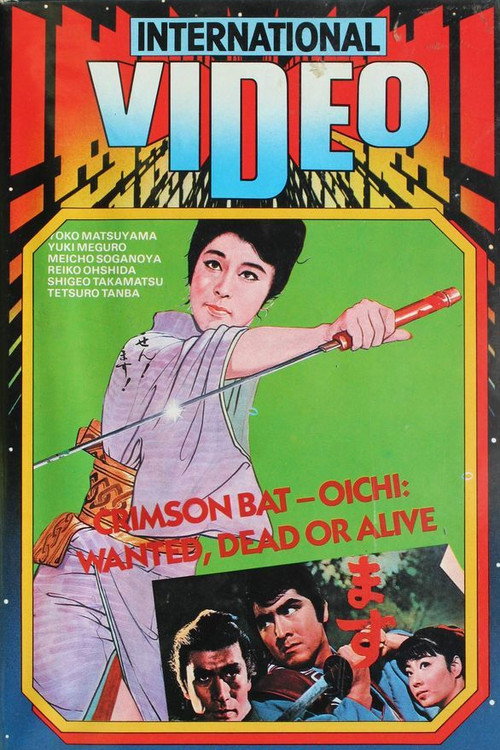
Crimson Bat - Oichi: Wanted, Dead or Alive
1970
No user ratings available yet
Representation score: 8.3 out of 10

Representation Score
Excellent
1969
Director
Sadatsugu Matsuda
Runtime
87 minutes
Average Rating
No ratings yetNew Showbiz Analysis
Trapped, the Crimson Bat offers a sophisticated deconstruction of period-drama archetypes. By centering Oichi’s ability to act, the film challenges the era's standard dichotomy between womanhood and warriorhood, replacing passive female roles with a protagonist defined by combat mastery. The narrative excels in its critique of rigid social norms and traditional expectations, framing the protagonist's struggle to live a 'normal' life as a central, tragic element. This focus on individual psychological struggle provides a meaningful departure from traditional genre expectations. While the film lacks explicit markers regarding race or LGBTQ+ identity, its subversion of gendered expectations and exploration of social alienation create a compelling, non-traditional framework for 1969 cinema.
Category Breakdown
The film does not explicitly depict same-sex relationships or non-cisgender identities. However, it explores a sense of social isolation and the difficulty of living like other women.
Oichi challenges traditional hierarchies through her skill with the sword and martial prowess. The central conflict is driven by competition among women rather than male-driven clichés.
The production features a predominantly Japanese cast. It deviates from Western-centric adventure stories by focusing on local perspectives and aesthetics.
The narrative criticizes rigid social structures and traditional family expectations. It emphasizes the protagonist's personal struggle over maintaining institutional or societal harmony.
Thematic undertones suggest a focus on sensory or physical limitations. The film may use disability as a catalyst for the protagonist's unique martial skills and ability to act.
Present on Screen
Limited or Absent
Official Synopsis
Oichi may have met her match as she vies against the evil beauty that has set her sights on destroying her. She must face numerous other challenges before confronting her greatest rival. While longing to live and love like other women, she realizes that she can never have a normal life, her sword which she holds on to like a security blanket will always come between her and such a life...
1970
1962
1969
1972
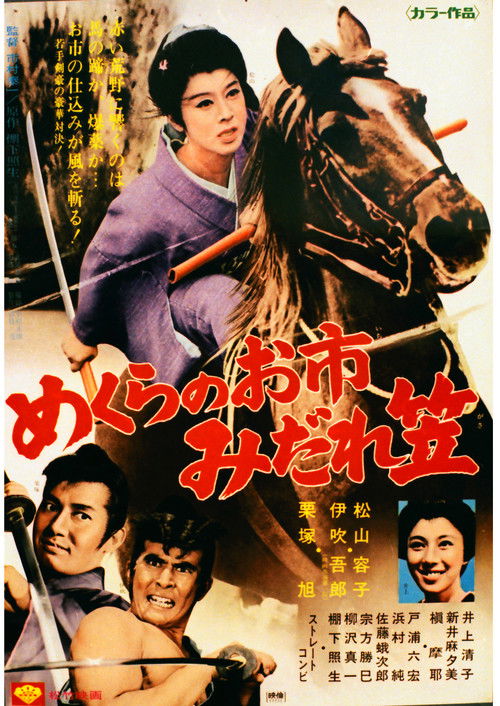
1969
2003

1966
1958
No reviews yet. Be the first to share your thoughts on this movie!
Use the rating form above to leave a star rating and optional review.