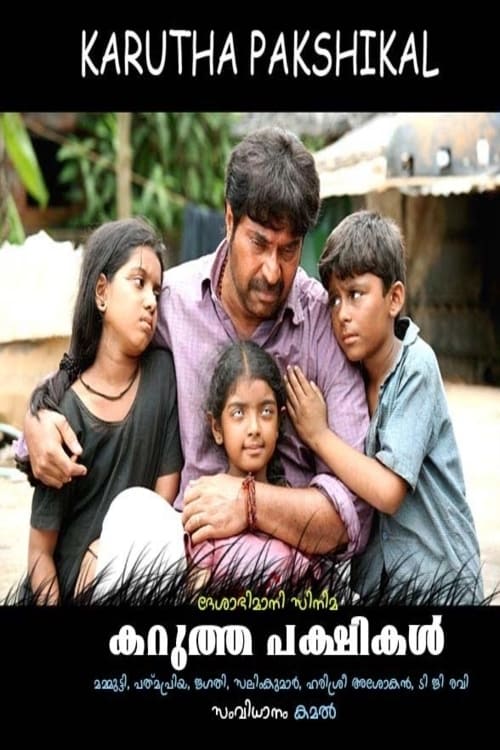
Karutha Pakshikal
2006
No user ratings available yet
Diversity score: 4.9 out of 10
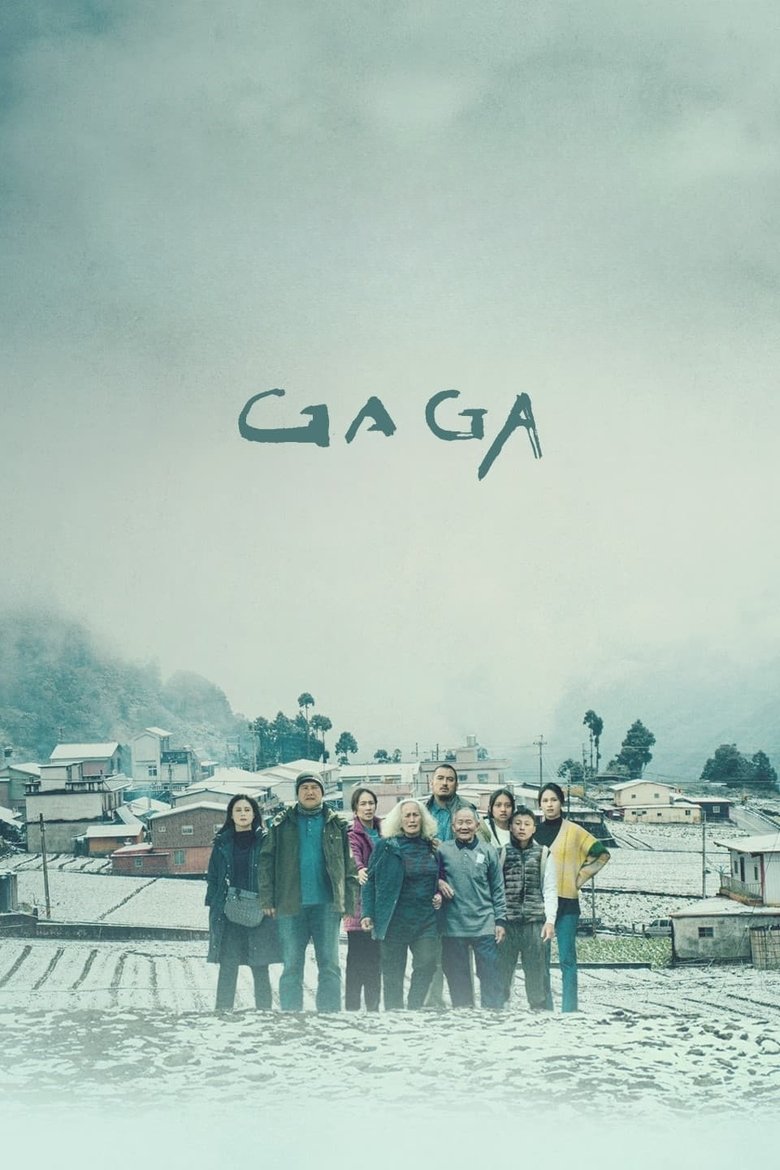
2022
Director
Laha Mebow
Runtime
111 minutes
Average Rating
No ratings yetSynopsis
The tribal village gets misty in September, letting out an atmosphere as intriguing as Hayung's family in this autumn-winter season. After Hayung's homeland was occupied, one 80-year-old man devoted his whole life to worshipping GAGA. The traditions were forgotten by his descendants after his passing... The Hayung's family represented indigenous families in Taiwan. Each tribe represents a withering big family. The eldest son Pasang joins in the election campaign, neglecting the opposition from his family. The second son, who is a farmer, is thus affected. After the election campaign, the entire family is on the verge of falling apart, and the village witnesses the snow for the first time in a very long time... With snow melting, new lives emerge. The broken family has started mending and repairing...
Overall Score
Good
Category Breakdown
LGBTQ+ Representation
The narrative focuses on lineage and generational shifts within an indigenous family. There is no explicit mention of queer identities or non-heteronormative characters in the story.
Gender Representation
The film examines the tension between patriarchal ambitions and domestic stability. It highlights how male pursuit of political power can fragment the family unit, challenging traditional hierarchies.
Racial & Ethnic Diversity
The film centers an indigenous Taiwanese family and their tribal village. It resists ethnic erasure by presenting a culturally distinct community as the central protagonist.
Religious & Cultural Diversity
The story explores the impact of modern politics on indigenous spirituality and ancestral customs. It uses a post-colonial lens to critique how external occupations erode traditional social cohesion.
Disability Representation
There is no evidence regarding the portrayal of physical or neurodivergent disabilities within the film's narrative.
Strengths
Areas for Improvement
AI Analysis
GAGA is a powerful exploration of indigenous identity in Taiwan, moving beyond superficial inclusion to center tribal life and spiritual traditions. The film effectively uses the Hayung family to illustrate the friction between ancestral customs and modern political structures. While the film excels in racial and cultural specificity, it lacks visible representation for LGBTQ+ identities and disability. The gender dynamics focus heavily on patriarchal tension, which provides social critique but limits broader gender diversity.
2006

2021

2016
2019
2008
2015

2014
2014
2005
2013

2017

2016
No reviews yet. Be the first to share your thoughts on this movie!
Use the rating form above to leave a star rating and optional review.