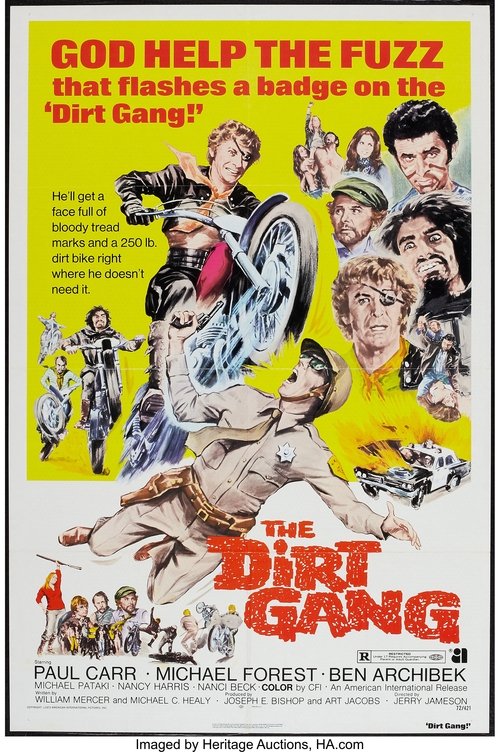
The Dirt Gang
1972
No user ratings available yet
Representation score: 2.5 out of 10
Representation Score
Limited
1969
RDirector
Bill Brame
Runtime
82 minutes
Average Rating
No ratings yetNew Showbiz Analysis
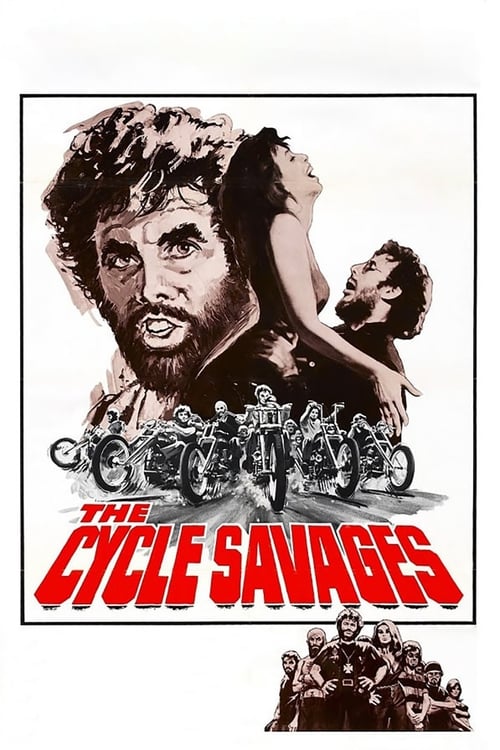
The Cycle Savages is a product of its era, relying heavily on the gritty, genre-driven exploitation clichés of the late 1960s. The narrative structure prioritizes physical aggression and territorialism, reinforcing traditional power dynamics rather than challenging them. Representation is limited. The film adheres to a masculine-centric framework that lacks depth in reflecting multiple aspects of identity. It uses bodily harm as a plot device rather than exploring lived experiences. Overall, the film operates as a standard action-drama of its time. It lacks the progressive social commentary or narrative subversion needed to disrupt established social hierarchies.
Category Breakdown
The film does not include characters with non-straight sexual orientations or non-cisgender identities. The story revolves around a biker gang conflict that emphasizes traditional masculinity.
The narrative centers on physical dominance and traditional power structures. It reinforces conventional themes of territorialism rather than challenging gender roles.
The film likely follows the homogeneous casting practices of its time. There is no indication of characters from diverse racial backgrounds playing significant roles.
The plot focuses on individual conflicts and interpersonal violence. It lacks a systemic critique of institutions or a promotion of diverse cultural values.
Disability is portrayed as a result of violent actions. Physical impairment is used as a narrative device to create conflict.
Present on Screen
Limited or Absent
Official Synopsis
The leader of a biker gang takes exception to an artist sketching them, so he makes plans to crush the artist's hands.
1972

1953
1966
1968
1970
1970
1969
1984
No reviews yet. Be the first to share your thoughts on this movie!
Use the rating form above to leave a star rating and optional review.