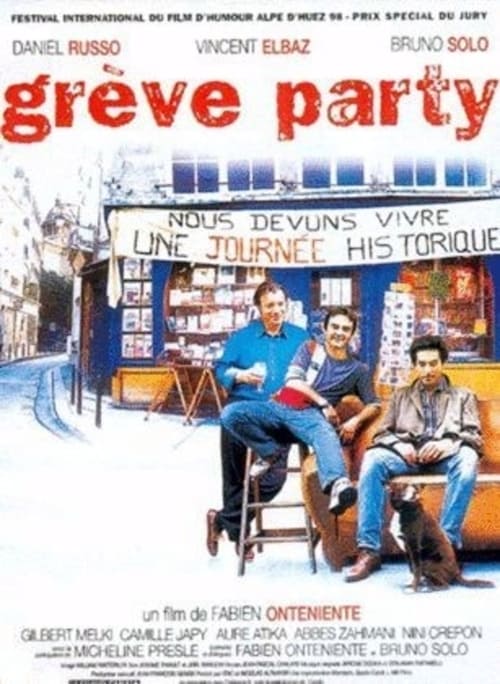
Grève party
1998
No user ratings available yet
Representation score: 4.4 out of 10
Representation Score
Limited
2005
Director
Gérard Krawczyk
Runtime
100 minutes
Average Rating
No ratings yetNew Showbiz Analysis
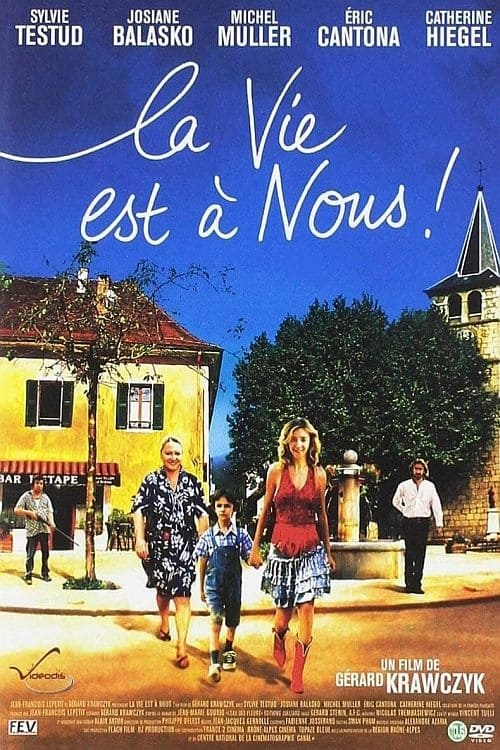
La vie est à nous! functions primarily as a traditional community-based comedy. Its main strength lies in placing women at the center of the economic and social narrative through their roles as business owners. However, the film lacks complexity in terms of diverse representation and adheres to conventional narrative structures, focusing on a localized and homogeneous portrayal of village life. Ultimately, while the female-led business rivalry provides a progressive foundation, the absence of LGBTQ+ and ethnic diversity keeps the film within a mainstream, commercial framework.
Category Breakdown
The film does not include any visible LGBTQ+ characters or relationships that challenge the assumption that everyone is straight or cisgender. There are no narratives that actively critique the idea that everyone is straight or cisgender.
The story centers on female entrepreneurs like Louise, Blanche, and Lucie, disrupting traditional male provider roles. Women play key roles in driving the conflict and ensuring the village's economic survival.
The setting in a Savoy village suggests a homogeneous population typical of rural French regional comedies. There is no indication of actors being cast to represent different backgrounds or cultures.
The story explores community tension and labor unrest through a truckers' strike. However, the focus remains on personal conflicts in cafes rather than broader systemic or institutional issues.
There are no characters with visible or invisible disabilities mentioned in the narrative.
Present on Screen
Limited or Absent
Official Synopsis
Louise and Blanche run L'Etape, a cafe restaurant in a Savoy village. Facing them is Le Virage, run by Lucie and her daughters. The rivalry between the two cafes will be exacerbated during the truckers' strike that blocks the village.
1998

1995

2002

2006

1977

2011

2009
2004
No reviews yet. Be the first to share your thoughts on this movie!
Use the rating form above to leave a star rating and optional review.