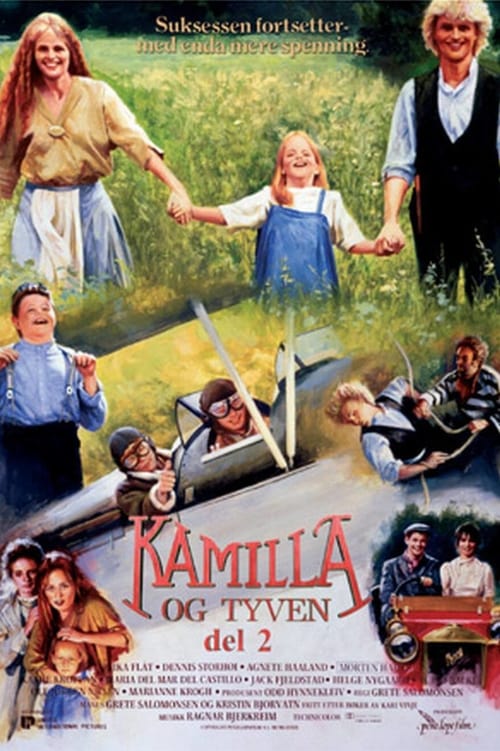
Kamilla and the Thief 2
1989
No user ratings available yet
Representation score: 3.9 out of 10
Representation Score
Limited
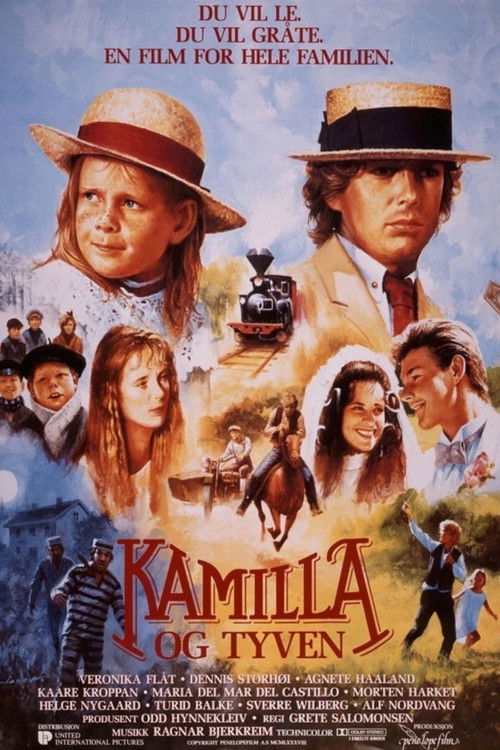
1988
Director
Grete Salomonsen Hynnekleiv
Runtime
106 minutes
Average Rating
No ratings yetNew Showbiz Analysis
Kamilla and the Thief is a period drama that prioritizes character-driven storytelling over systemic representation. It functions as a traditional exploration of class and morality within a specific historical Norwegian context. The film's strengths lie in its focus on interpersonal power dynamics and the moral complexity of its characters. The tension between the wealthy urban setting and the rural countryside provides a meaningful backdrop for individual redemption. However, the film is limited by its historical setting, resulting in a lack of racial, ethnic, or LGBTQ+ diversity. It adheres to the social constraints of the early 1900s without attempting to disrupt traditional norms.
Category Breakdown
The film does not include any LGBTQ+ characters or non-straight identities. The story follows a traditional dramatic structure centered around historical family and social dynamics.
Kamilla is a central female character who navigates complex family hierarchies. Although the aunt drives much of the conflict, the film does not explicitly challenge traditional gender roles.
Set in early 1900s Norway, the film reflects the demographic homogeneity of its time. The narrative focuses on class differences rather than multi-ethnic or racial diversity.
The story explores class disparity and the tension between urban wealth and rural life. It centers on individual redemption and the moral complexity of a thief.
There is no mention of characters with visible or invisible disabilities. The narrative does not address neurodivergence or physical impairments.
Present on Screen
Limited or Absent
Official Synopsis
Orphan Kamilla moves in with her rich uncle who lives in Kristiansand, Norway in the early 1900s. Her uncle’s wife, however, does not approve of Kamilla and wants to send her to a boarding school in Denmark. Her uncle, instead, decides to send her to his sister who lives in the countryside. On her way there, she meets Sebastian, who is a good-hearted thief who wants to turn his life around. An adaptation from a Norwegian children's novel by Kari Vinje.
1989
1988
1996
1993
1982
1994
2002

1947
No reviews yet. Be the first to share your thoughts on this movie!
Use the rating form above to leave a star rating and optional review.