The Beginning of a Story
1988
No user ratings available yet
Representation score: 2.3 out of 10
Representation Score
Good
1947
Director
Bjarne Henning-Jensen, Astrid Henning-Jensen
Runtime
83 minutes
Average Rating
No ratings yetNew Showbiz Analysis
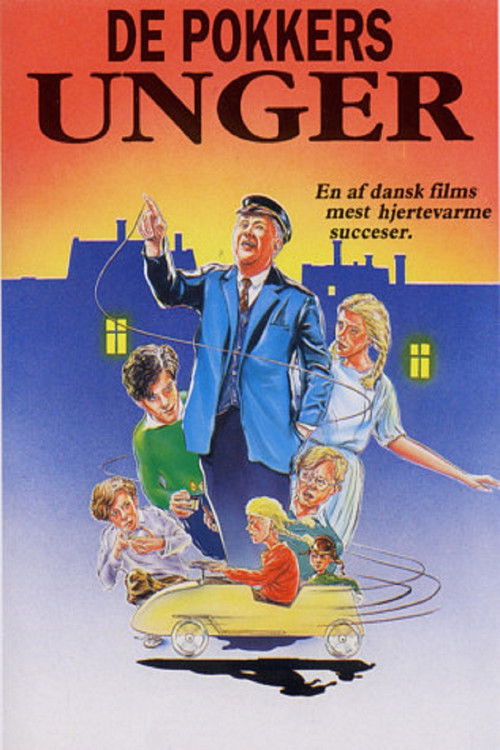
Those Damned Kids serves as a pioneering work of social realism that prioritizes the lived experiences of underrepresented youth. While it lacks modern markers like explicit LGBTQ+ representation or racial diversity, it succeeds in challenging the era's typical wholesome family dramas. The film's strength lies in its critique of traditional institutions and its focus on children living on the fringes of society. By elevating the ability to act of 'back-alley urchins,' the directors move the narrative away from idealized domesticity toward a more complex, socioeconomically diverse portrayal of urban life. Ultimately, the film functions as a precursor to socially conscious storytelling. It replaces rigid moral frameworks with a study of survival and situational ethics, providing a more nuanced view of youth outside traditional social structures.
Category Breakdown
The film does not include any explicit LGBTQ+ characters or narratives. It focuses on a group of children defined by their socioeconomic status rather than their sexual orientation.
By focusing on a group of children, the film disrupts traditional patriarchal hierarchies. This focus suggests that female characters may play a significant role in driving the story through their survival outside of domestic structures.
The production reflects the demographic homogeneity of 1947 Denmark. However, it provides class-based diversity by shifting the focus away from the affluent middle class toward gritty urban life.
The narrative challenges the sanctity of the traditional Western family and established social structures. It explores situational ethics and survival rather than rigid, mid-century Christian morality.
There is no specific evidence of neurodivergence or physical disability in the synopsis. The score reflects the potential for social realism to explore vulnerability through the lens of poverty.
Present on Screen
Limited or Absent
Official Synopsis
Directed by Danish filmmakers Bjarne and Astrid Henning-Jensen, THOSE BLASTED KIDS tells a story of a group of back-alley urchins that is considered Denmark’s first true children’s film.
1988
1997
1996
1958
1957
1966
2007
2002
No reviews yet. Be the first to share your thoughts on this movie!
Use the rating form above to leave a star rating and optional review.