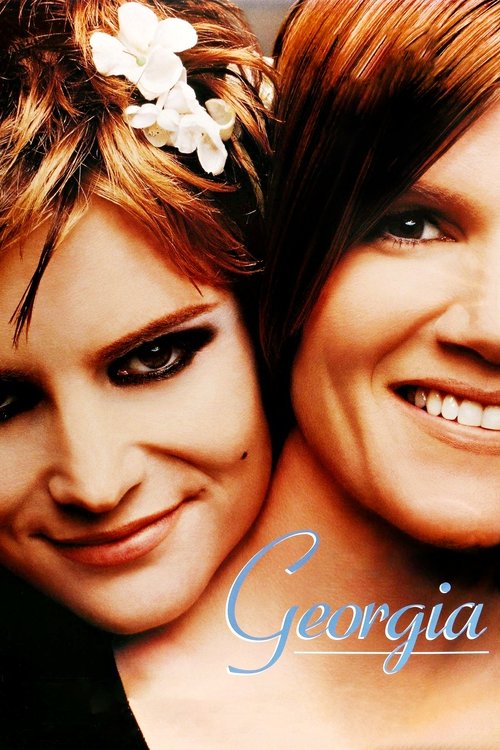
Georgia
1995
No user ratings available yet
Representation score: 4.8 out of 10
Representation Score
Fair
1990
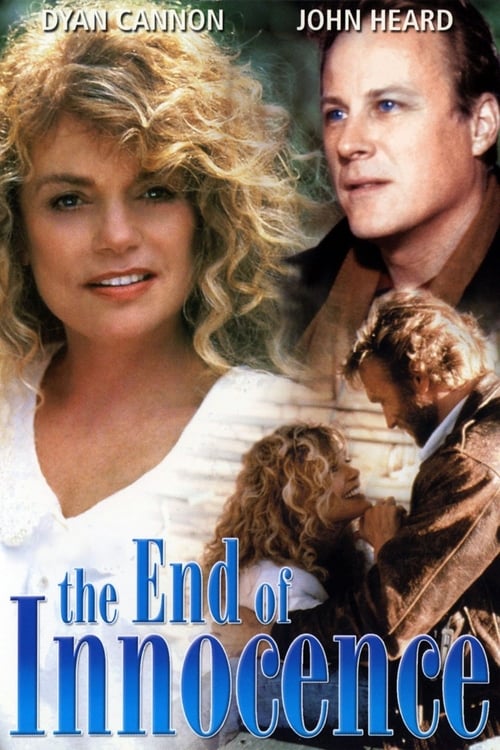
RDirector
Dyan Cannon
Runtime
102 minutes
Average Rating
No ratings yetNew Showbiz Analysis
The film provides a nuanced look at a woman's struggle for self-actualization and internal growth. It moves beyond simplistic portrayals of submissive femininity. However, the production is limited by a lack of diverse representation. The narrative remains anchored in a homogeneous, white, middle-class demographic, which restricts the scope of its social commentary.
Category Breakdown
The film follows a traditional coming-of-age storyline that focuses on heterosexual relationships. It does not include narratives involving non-straight or non-cisgender identities.
The story centers on a woman's struggle against societal expectations. While it challenges passive stereotypes, it introduces complex power dynamics through age-gap relationships.
The cast is predominantly white and middle-class, reflecting the 1960s setting. There is no indication of significant racial diversity or color-blind casting.
The narrative explores individual freedom and the breakdown of traditional family structures. It favors personal discovery over strict religious or social rules.
Mental health and rehabilitation play key roles in the plot. However, these themes primarily drive character development rather than exploring the experiences of those with disabilities.
Present on Screen
Limited or Absent
Official Synopsis
Seemingly autobiographical story of a woman overwhelmed with trying to please everyone except herself, and not finding any answers until she's admitted to a rehab center by her parents. Eventually here is where she finds her answers.
1995
1963
1988
1982

1970

2019

2009

1990
No reviews yet. Be the first to share your thoughts on this movie!
Use the rating form above to leave a star rating and optional review.