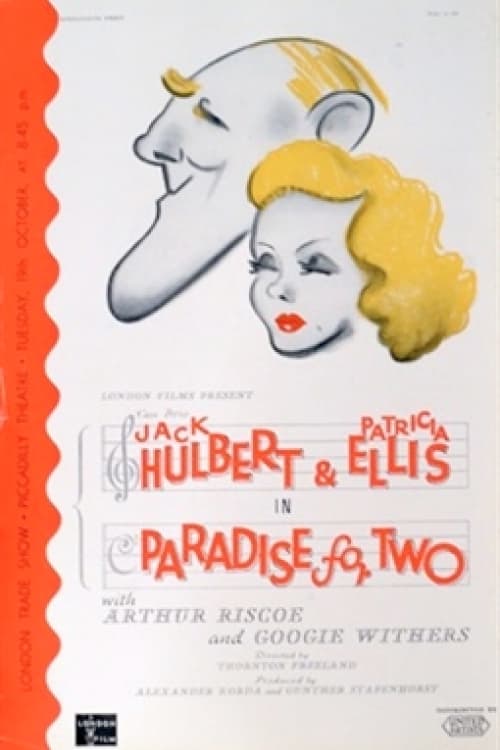
Paradise for Two
1937
No user ratings available yet
Diversity score: 2.4 out of 10
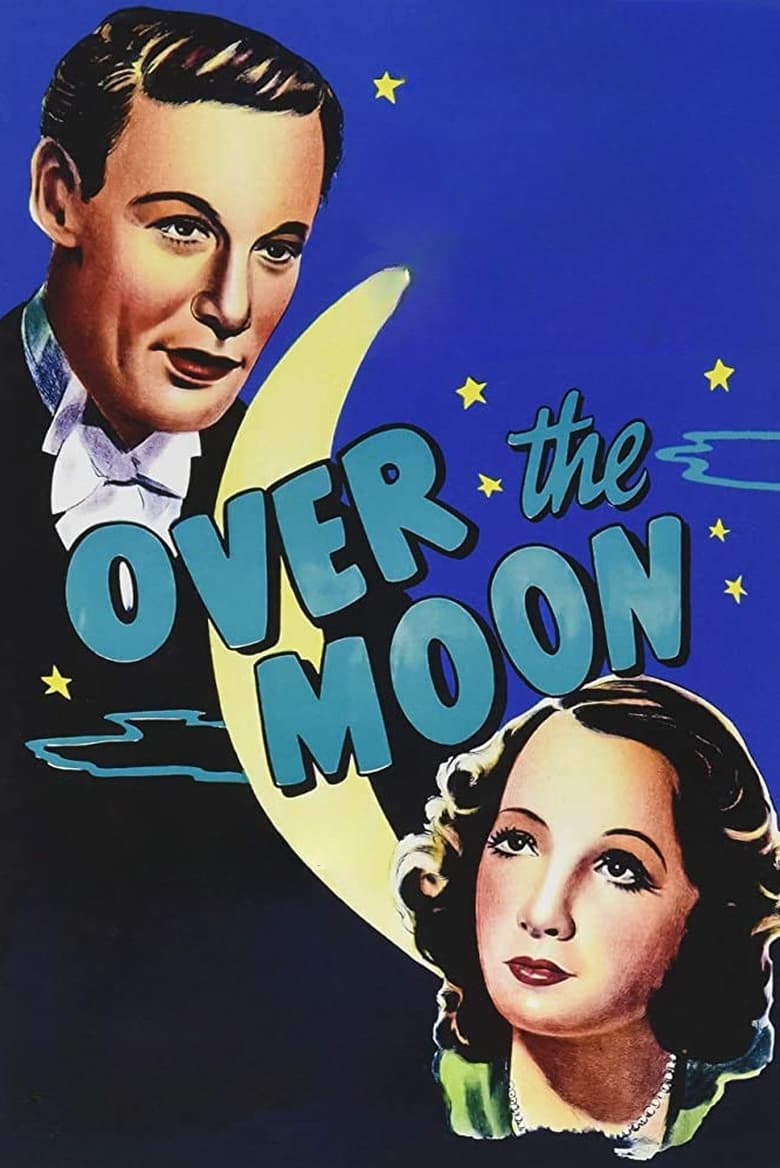
1939
ApprovedDirector
Thornton Freeland
Runtime
79 minutes
Average Rating
No ratings yetSynopsis
Young Jane Benson just about manages to make ends meet running the large family house in Yorkshire. In love with local doctor Freddie Jarvis, she suggests they marry, but almost at once finds she has inherited eighteen million pounds. He makes it clear he wants nothing to do with the money and what it can buy, and Jane sets off alone on a spree pursued by two ardent suitors. Jarvis finds he has gained notoriety for turning down such a catch and his plans for ernest research are soon compromised.
Overall Score
Limited
Category Breakdown
LGBTQ+ Representation
The film focuses on conventional romantic pursuits between a female protagonist and two male suitors. There is no evidence of queer narratives or non-cisnormative identities.
Gender Representation
Jane Benson displays financial agency through managing a household and sudden wealth. However, the plot remains tethered to traditional marital expectations and romantic tropes.
Racial & Ethnic Diversity
Set in Yorkshire, the film depicts a homogeneous social environment. The cast appears to reflect the era's standard of a singular, non-diverse demographic.
Religious & Cultural Diversity
The narrative operates within a traditional Western framework. Conflict is driven by standard institutions like inheritance, social standing, and marriage.
Disability Representation
The story contains no mention of characters navigating physical, sensory, or neurodivergent experiences.
Strengths
Areas for Improvement
AI Analysis
Over the Moon is a period-typical comedy that adheres strictly to the social and demographic hierarchies of 1939. The narrative prioritizes traditional romantic structures and conventional social roles, offering very little disruption to established norms. The film centers on a female lead navigating sudden wealth, yet the central conflict is defined by her relationship with a male doctor and his moral standing. This reinforces traditional gendered dynamics rather than subverting them. Ultimately, the work reflects the era's standard of homogeneity, focusing on a singular demographic and Western social values without exploring diverse identities or perspectives.
1937
1958
1939
1936

1935
1938
1937

1928
1935

1937
1928
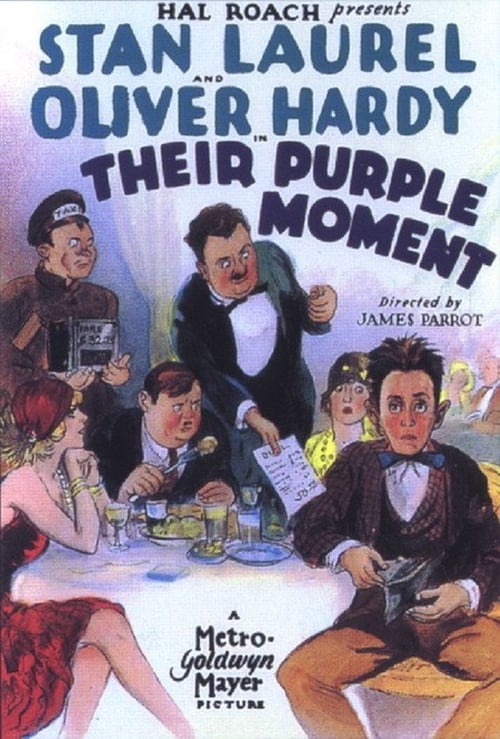
1928
No reviews yet. Be the first to share your thoughts on this movie!
Use the rating form above to leave a star rating and optional review.