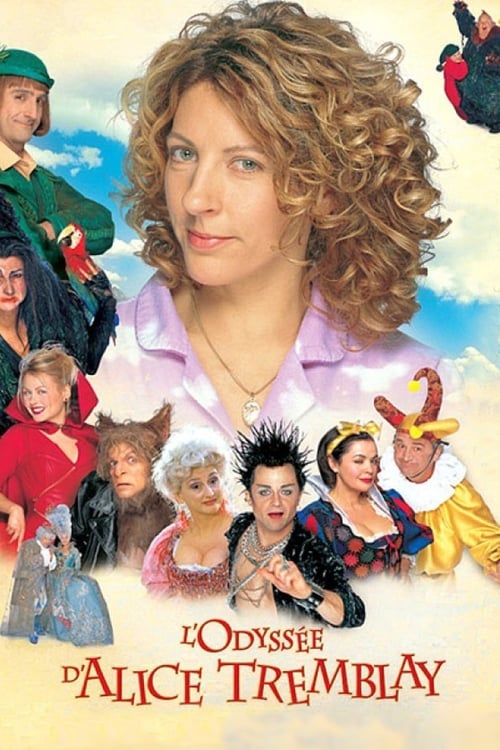
Alice's Odyssey
2002
No user ratings available yet
Diversity score: 5.7 out of 10
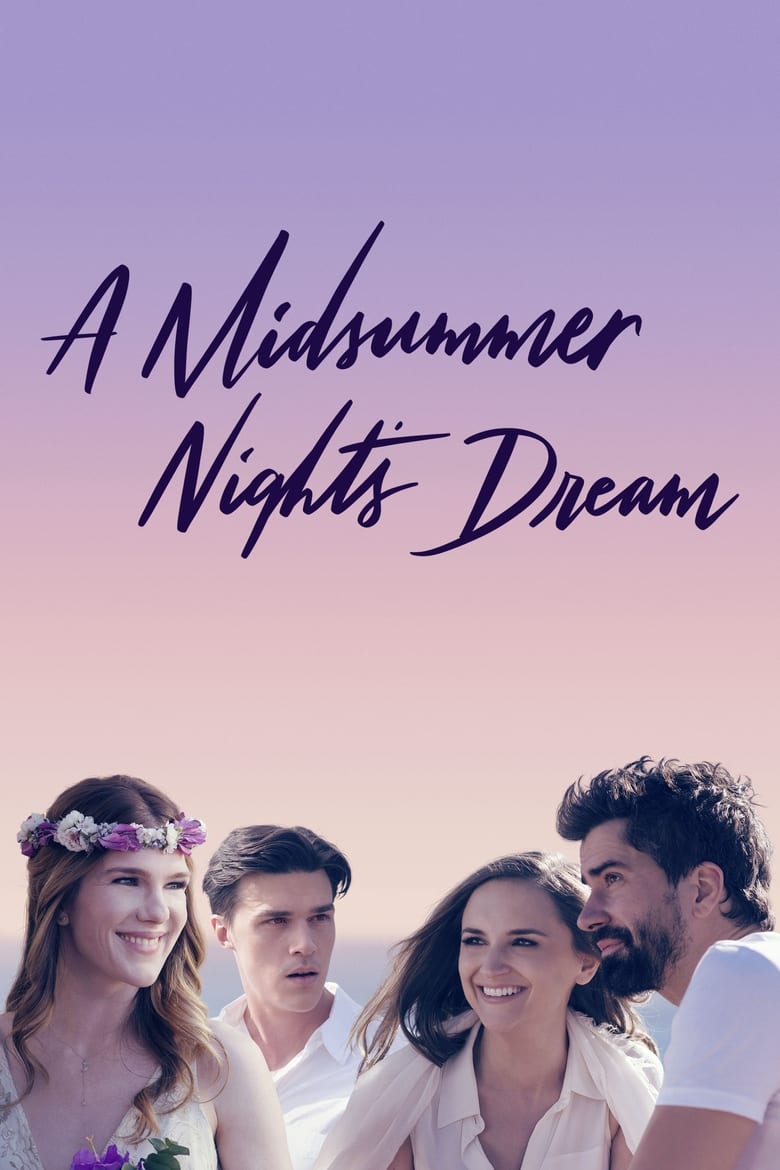
2017
Director
Casey Wilder Mott
Runtime
104 minutes
Average Rating
No ratings yetSynopsis
A modern-day movie adaptation of William Shakespeare’s "A Midsummer Night’s Dream". The new version takes place in present-day Hollywood where fantasy and reality collide. It’s set in a world where glamorous stars, commanding moguls, starving artists and vaulting pretenders all vie to get ahead.
Overall Score
Good
Category Breakdown
LGBTQ+ Representation
The film reimagines Quince as a female character, creating a new romantic subplot with Nick Bottom. While this disrupts traditional pairings, the narrative lacks explicit confirmation of queer identities.
Gender Representation
By gender-flipping Quince and recasting Theseus as a film producer, the film subverts classical patriarchal structures. It replaces ancient authority with the morally ambiguous power dynamics of the Hollywood industry.
Racial & Ethnic Diversity
Casting Avan Jogia and a cosmopolitan ensemble helps move the production away from historically homogeneous Shakespearean traditions. The Los Angeles setting naturally supports a more diverse, modern cast.
Religious & Cultural Diversity
The film deconstructs traditional institutions by portraying nobility as corrupt film moguls. Reimagining fairies as forest bohemians shifts the focus from classical mysticism to counter-cultural lifestyles.
Disability Representation
There is no evidence regarding the portrayal of visible or invisible disabilities. No characters are identified as navigating physical impairments or neurodivergence.
Strengths
Areas for Improvement
AI Analysis
This adaptation successfully modernizes Shakespeare by transplanting his themes into the cynical landscape of the Los Angeles film industry. By replacing mythological authority with industrial influence, the film challenges traditional hierarchies of power and social standing. The production makes intentional moves to subvert classical norms, such as gender-flipping key roles and reimagining magical beings as bohemian outsiders. These changes allow for a more fluid exploration of agency and social dynamics. However, the film's approach to identity remains somewhat surface-level. While it avoids the homogeneity of traditional productions, it lacks explicit depth in certain areas of intersectional representation.
2002
2025
2015
2000
2017
2017
2021

2019

2015
2013
1992

2016
No reviews yet. Be the first to share your thoughts on this movie!
Use the rating form above to leave a star rating and optional review.