
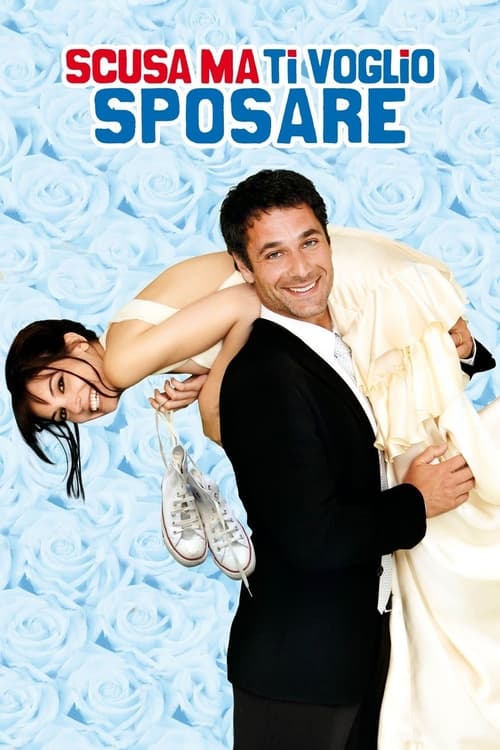
Will You Marry Us?
2009
No user ratings available yet
Representation score: 3.1 out of 10
Representation Score
Limited
2010
Director
Federico Moccia
Runtime
106 minutes
Average Rating
No ratings yetNew Showbiz Analysis
Federico Moccia’s romantic drama follows a traditional narrative structure. It prioritizes emotional resonance and the stability of long-term partnerships over social critique or multi-layered complexity. The film explores relational change within a localized, homogeneous social circle, adhering to established romantic clichés rather than disrupting them. Ultimately, the work meets a specific genre expectation, favoring sentimentalism and conventional domestic structures over a diverse or subversive cast and thematic range.
Category Breakdown
The film focuses on a conventional romantic relationship between Alex and Niki. There is no representation of non-straight identities or narratives that challenge the assumption that everyone is straight.
The story delves into the complexities of adult relationships and marital instability. However, it emphasizes domestic challenges within established structures without challenging traditional gender roles.
The setting reflects a relatively uniform social environment typical of Italian romantic comedies. There is no indication of a multi-ethnic cast or diverse casting choices.
Themes of marriage and friendship drive the plot. The film treats Western institutions like the family unit as standard settings rather than subjects of systemic critique.
No visible or invisible disabilities are mentioned as central to the character arcs or the progression of the plot.
Present on Screen
Limited or Absent
Official Synopsis
Second part of the film "Sorry if I love you". Alex (Raoul Bova) and Niki (Michela Quattrociocche) are more in love than ever. They have just returned from the lighthouse on the island Blu where they have lived unforgettable days. Niki returns to see his friends, but a number of important changes in their lives will test the friendship of the girls. Alex also resume life with his old friends. All of them, Flavio, Enrico and Pietro, are no longer serene and safe husbands due to certain difficulties that have compromised their marriages.
2009

1995

2004
2004
2012

2011
2010

2007
No reviews yet. Be the first to share your thoughts on this movie!
Use the rating form above to leave a star rating and optional review.