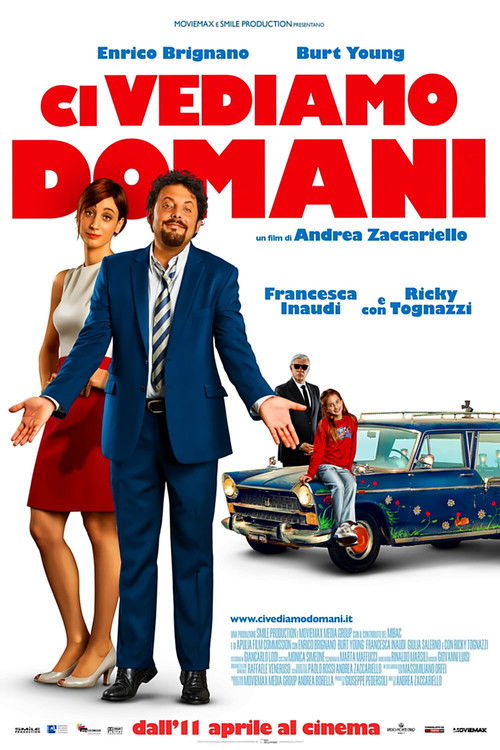
See You Tomorrow
2013
No user ratings available yet
Representation score: 3.7 out of 10
Representation Score
Fair
2010
Director
Gabriele Muccino
Runtime
139 minutes
Average Rating
No ratings yetNew Showbiz Analysis
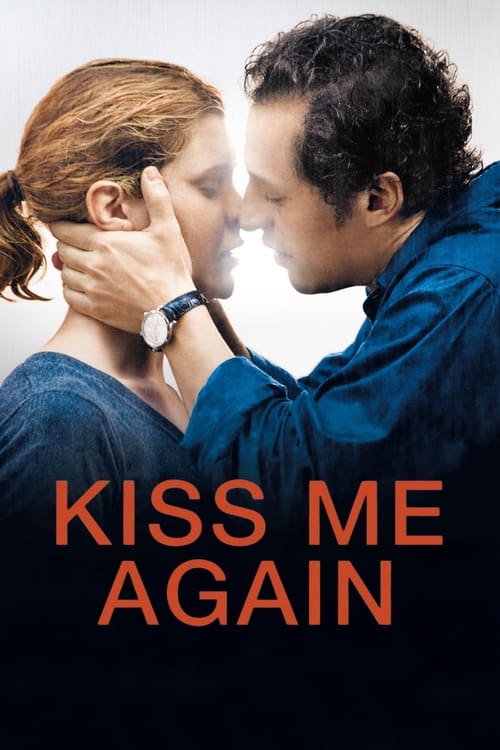
Kiss Me Again is a character-driven film that examines the instability and breakdown of traditional domesticity. It successfully moves away from idealized family structures, focusing instead on the complexities of divorce and personal autonomy. However, the film is constrained by a predominantly Eurocentric perspective. The absence of racial diversity and explicit LGBTQ+ representation confines the narrative to a narrow social framework. While the film offers depth in gendered power dynamics and moral relativism, it sometimes uses mental health issues merely as plot devices rather than as meaningful character studies.
Category Breakdown
The film centers on heterosexual relationships and the breakdown of marriages. There is no clear representation of LGBTQ+ identities or narratives that question the assumption that everyone is straight or cisgender.
The story highlights female autonomy during divorce and co-parenting. Giulia's ability to maintain custody and create a new life showcases a nuanced view of female independence.
The cast and narrative focus seem predominantly Eurocentric within a Roman context. There is no indication of significant racial diversity or varied ethnic perspectives.
The narrative questions the idealized Western family structure through themes of infidelity and divorce. It delves into subjective morality rather than adhering to a singular, traditional ethical framework.
Mental health and substance abuse are explored through Paul’s depression and addiction. However, these elements primarily serve as sources of conflict rather than deep explorations of lived experiences.
Present on Screen
Limited or Absent
Official Synopsis
A look at the lives of Carlo, Giulia, and their friends some 10 years after the events of L'Ultimo bacio.
2013
2004
2010

2003
2012

2016

2010

2000
No reviews yet. Be the first to share your thoughts on this movie!
Use the rating form above to leave a star rating and optional review.