
The Sheik
2014
No user ratings available yet
Diversity score: 6.5 out of 10
2021
Average Rating
No ratings yetSynopsis
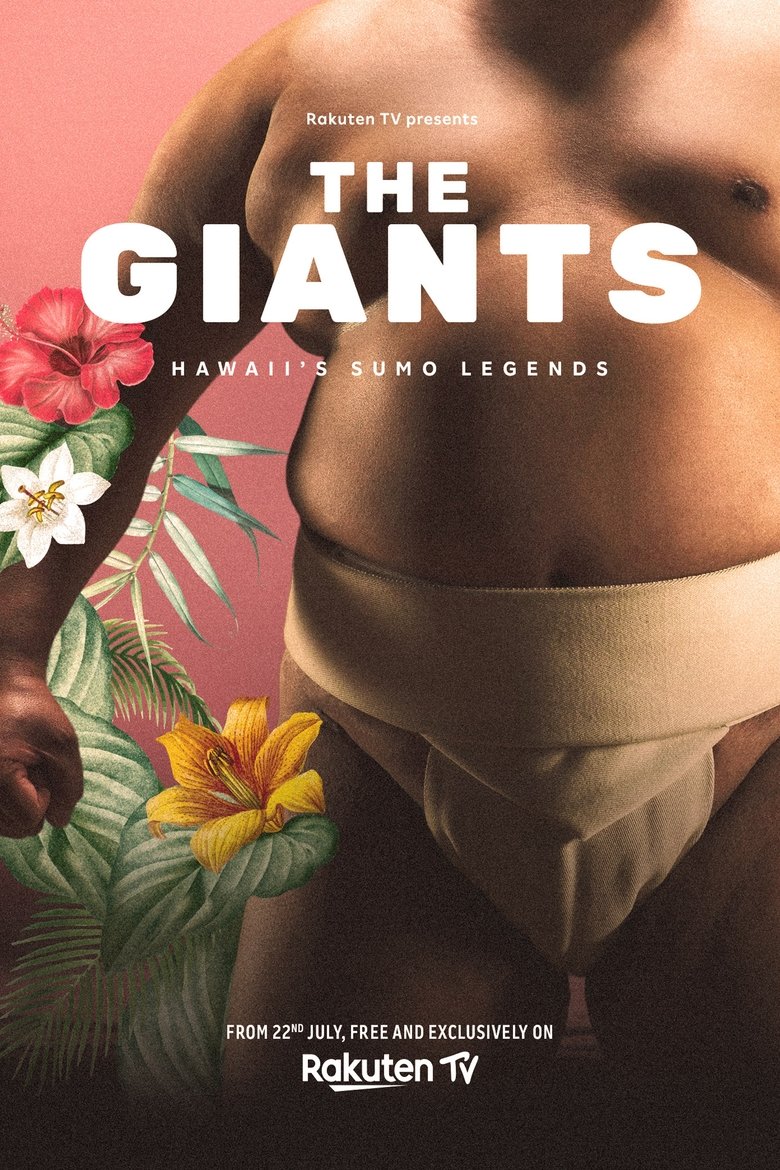
We follow the epic lives of sumo legends who made it from humble beginnings in Hawaii, to becoming the first foreigners to rise to the highest ranks in sumo. Starting with Takamiyama who paved the path for Konishiki, Akebono, and Musashimaru who soon followed and ignited sumo fandom around the world. As diplomats for the sport and Japanese culture, these 600 pound outsiders share their hero’s journey from a small Hawaiian village, to having God-like adulation from fans across the world.
Overall Score
Fair
Category Breakdown
LGBTQ+ Representation
The documentary focuses on the biographical history of specific sumo wrestlers. There is no evidence of LGBTQ+ character arcs or queer-coded narratives within the film.
Gender Representation
The film focuses exclusively on the male-dominated sphere of professional sumo. It does not engage with female perspectives or the subversion of gender hierarchies.
Racial & Ethnic Diversity
The film provides significant representation of non-Japanese individuals achieving high-status roles. It highlights Hawaiian athletes as outsiders who transformed a domestic tradition into a global phenomenon.
Religious & Cultural Diversity
The documentary explores the tension between Hawaiian origins and Eastern traditionalism. It frames the subjects' journey as a disruption of a monolithic cultural practice.
Disability Representation
The film focuses on physical prowess and extreme body mass. There is no specific evidence regarding the portrayal of neurodivergence or visible disabilities as central themes.
Strengths
Areas for Improvement
AI Analysis
The Giants explores the intersection of Hawaiian identity and Japanese tradition through the lens of professional sumo. It succeeds as a study of ethnic integration, documenting how foreign athletes navigated and ascended within a rigid, culturally specific hierarchy. While the film excels in racial and ethnic agency, it remains tethered to the traditional masculine structures of the sport. It does not actively engage with gender or LGBTQ+ subversion, focusing instead on the athletic achievements of its subjects. Ultimately, the documentary moves beyond simple biography to show how identity and heritage can be leveraged to influence established systemic structures and reshape traditional narratives.
2014
2016

2018

2017
2022

2018

2018
2004
2011

2022

2020

2023
No reviews yet. Be the first to share your thoughts on this movie!
Use the rating form above to leave a star rating and optional review.