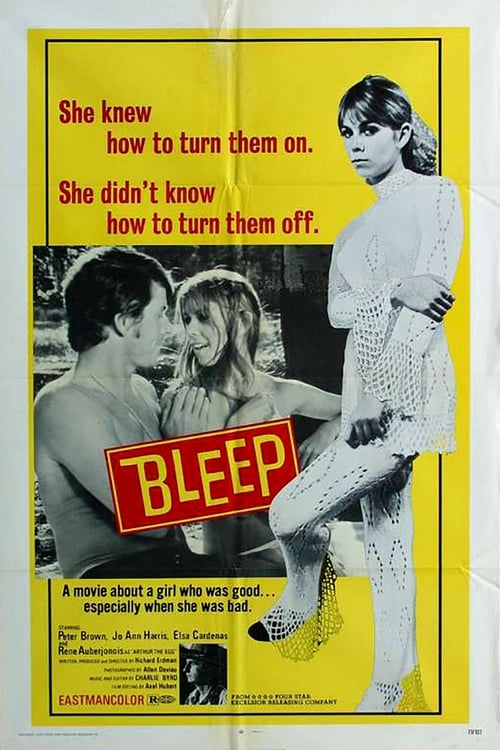
Teenage Tease
1971
No user ratings available yet
Representation score: 0.6 out of 10
No Poster Available
Representation Score
Minimal
1976
XDirector
Lee Frost
Runtime
87 minutes
Average Rating
No ratings yetNew Showbiz Analysis
The film functions as a period-specific exploitation comedy that adheres strictly to the conventions of its time. The narrative structure prioritizes conventional archetypes and heterosexual fantasies, offering very little engagement with overlapping aspects of identity. Most of the characterization appears driven by the male perspective, particularly regarding the female lead. This creates a dynamic where women serve primarily as objects of desire rather than complex individuals. Ultimately, the work lacks the depth needed to challenge social hierarchies or provide diverse representation, remaining firmly rooted in the commercial expectations of 1970s niche cinema.
Category Breakdown
The film focuses on a traditional romantic fantasy centered around a heterosexual relationship. There are no characters with LGBTQ+ identities or critiques of traditional desires.
The story heavily relies on the male perspective, focusing on a male protagonist's fantasy. The female lead appears more as a decorative element rather than an active participant in the plot.
The film centers on a blonde fantasy character, suggesting a lack of racial diversity. The demographic focus appears homogeneous and typical of 1970s exploitation films.
The film operates within a standard commercial framework of its era. It lacks engagement with systemic critiques or significant cultural challenges.
There are no characters with visible or invisible disabilities in the narrative.
Present on Screen
Limited or Absent
Official Synopsis
“A zany spoof all about a boy who finds out too late that his entire teenage years were just spent in a wasted fantasy – a crazy fantasy called Fanny! Cute, blonde, and oh so adorably sexy. But she's just a comic character – or is she?”
1971
1992
1977
1969
1969
1980

1973
1982
No reviews yet. Be the first to share your thoughts on this movie!
Use the rating form above to leave a star rating and optional review.