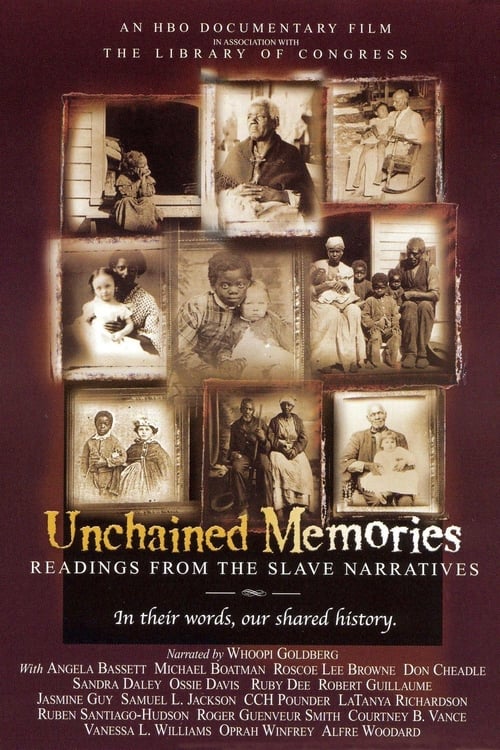
Unchained Memories: Readings from the Slave Narratives
2003
No user ratings available yet
Representation score: 6.8 out of 10

Representation Score
Excellent
2016
Director
Moussa Touré
Runtime
60 minutes
Average Rating
No ratings yetNew Showbiz Analysis
Moussa Touré’s documentary succeeds by disrupting the traditional 'single-voice' historical narrative. By combining logbooks, diaries, and dramatic recreations, the film creates a multifaceted experience that centers the lived experiences of underrepresented communities. The production excels in racial and ethnic representation, giving prominence to the African diaspora. This prevents the history from being viewed solely through a Eurocentric lens, validating the identities of those affected by the trade. While the film offers a sophisticated critique of colonial and capitalist structures, it remains limited in its depiction of other specific identities. The focus is primarily on the systemic struggle for liberation and the deconstruction of historical power dynamics.
Category Breakdown
The documentary focuses on the historical era of the Atlantic slave trade and does not include any explicit evidence of LGBTQ+ themes or character arcs.
The film captures the experiences of women through personal letters and diaries, highlighting their roles in the face of systemic oppression. It explores how gender intersects with broader societal struggles.
The film centers on the African diaspora, offering depth to non-white subjects through first-person accounts. This approach avoids a purely Eurocentric perspective by prioritizing the voices of the enslaved.
The documentary critiques Western colonial institutions and capitalist structures of the era. It examines the historical impact of Western expansionism and traditional power hierarchies.
The provided material contains no specific information regarding the depiction of physical or mental disabilities. The score reflects a neutral baseline for the genre.
Present on Screen
Limited or Absent
Official Synopsis
First-person accounts of slaves, ship owners, traders and colonists recounting the struggle to end the Atlantic slave trade. Drawing on the logbooks, letters and diaries of the victims and witnesses to one of history’s most brutal eras, depicted through dramatic recreations, bolstered by authentic drawings and period documents, featuring insight from historical experts around the world.
2003
2014
2017

2015
2015

2004

2022

2015
No reviews yet. Be the first to share your thoughts on this movie!
Use the rating form above to leave a star rating and optional review.