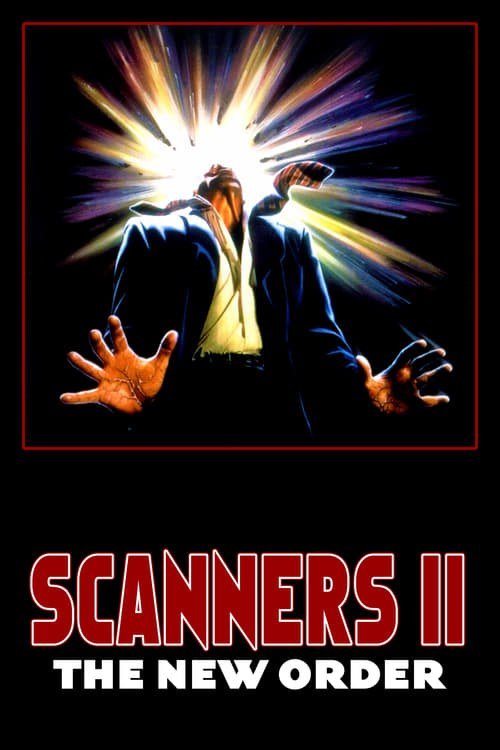
Scanners II: The New Order
1991
No user ratings available yet
Representation score: 4.0 out of 10

Representation Score
Limited
1996
PG-13Director
Farhad Mann
Runtime
92 minutes
Average Rating
No ratings yetNew Showbiz Analysis
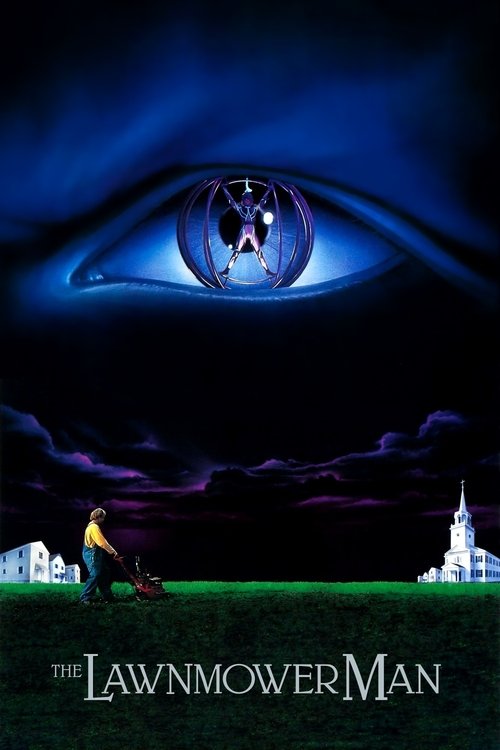
Lawnmower Man 2: Beyond Cyberspace is a mid-90s science fiction film that emphasizes technological spectacle over sociopolitical commentary. The narrative structure revolves around the tension between physical and digital realities, with little focus on identity-driven themes. The film relies on established genre clichés, focusing on male-driven psychological journeys. This approach results in a lack of meaningful representation across various social categories. Ultimately, the production follows a conventional path for speculative fiction, reinforcing traditional Western concepts of power rather than challenging them.
Category Breakdown
The film adheres to traditional structures that assume everyone is straight or cisgender. It does not include narratives or characters that question these assumptions.
The central conflicts are driven by the digital transformation of male characters. Women play minor roles and do not significantly challenge traditional gender power dynamics.
The narrative centers on individual struggles against digital entities. It does not feature a predominantly non-white cast or challenge historical racial norms.
The story follows a typical man-versus-technology framework. It does not emphasize secularism or challenge Western cultural institutions.
The antagonist's fragmented mind serves as a horror cliché rather than a realistic portrayal of disability. The film does not authentically represent lived experiences of disability.
Present on Screen
Limited or Absent
Official Synopsis
Now a shattered mind lurking in cyberspace, Jobe plots a return by hijacking a global VR network and rebuilding himself as something far beyond human. As reality starts to glitch, a small group races to stop a digital god who no longer needs a body.
1991

1988

2006

1995

1996

1970
1992

1986
No reviews yet. Be the first to share your thoughts on this movie!
Use the rating form above to leave a star rating and optional review.