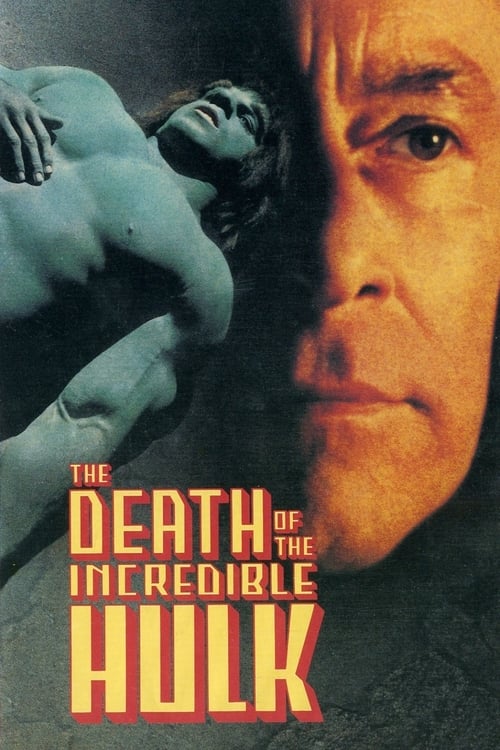
The Death of the Incredible Hulk
1990
No user ratings available yet
Representation score: 2.3 out of 10
Representation Score
Limited
1989
Not RatedDirector
Bill Bixby
Runtime
95 minutes
Average Rating
No ratings yetNew Showbiz Analysis
The film follows the conventional dramatic structure typical of its 1989 production period. It emphasizes traditional heroic clichés and male-centric conflict, avoiding multi-layered complexity. While Matt Murdock's portrayal offers a nuanced look at disability and ability to act, the film lacks diverse casting and systemic critiques.
Category Breakdown
The film doesn't include any visible LGBTQ+ characters or explore non-straight identities. It focuses on the heterosexual and cisgender experiences of the main characters.
The story centers around male-driven conflicts between David Banner and Matt Murdock. It lacks strong female roles and challenges to traditional gender roles.
The show reflects the typical racial makeup of 1980s American TV. It doesn't feature race-blind casting or a significant non-white presence.
The film examines skepticism toward the legal system through a 'man against the system' theme. It emphasizes traditional morality without a structured critique of Western institutions.
Matt Murdock is a key character who navigates visual impairment with high ability to act. His disability is integral to his professional identity.
Present on Screen
Limited or Absent
Official Synopsis
Falsely accused of assault, Dr. David Banner is arrested and placed on trial, facing the possibility of a long prison sentence. Blind attorney Matt Murdock takes on his defence, while secretly operating as the vigilante Daredevil. As the courtroom battle unfolds, Banner’s struggle to control the Hulk leads to a dangerous confrontation with criminal mastermind Wilson Fisk.
1990

2009

1988
1994

1980

2016
1977

1987
No reviews yet. Be the first to share your thoughts on this movie!
Use the rating form above to leave a star rating and optional review.