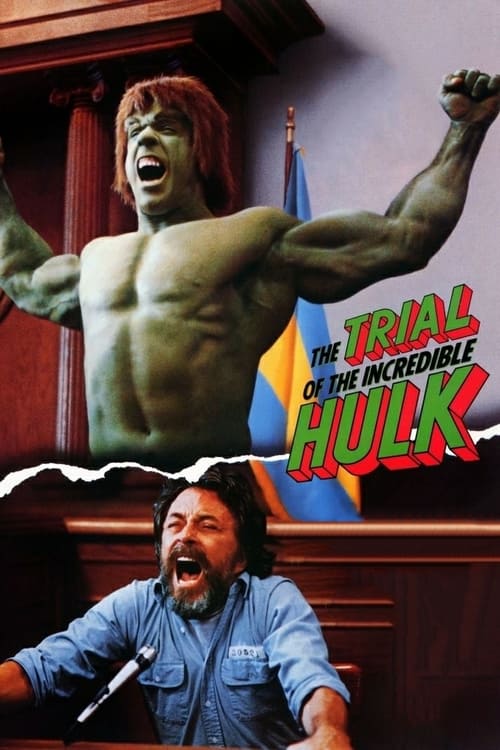
The Trial of the Incredible Hulk
1989
No user ratings available yet
Representation score: 3.9 out of 10
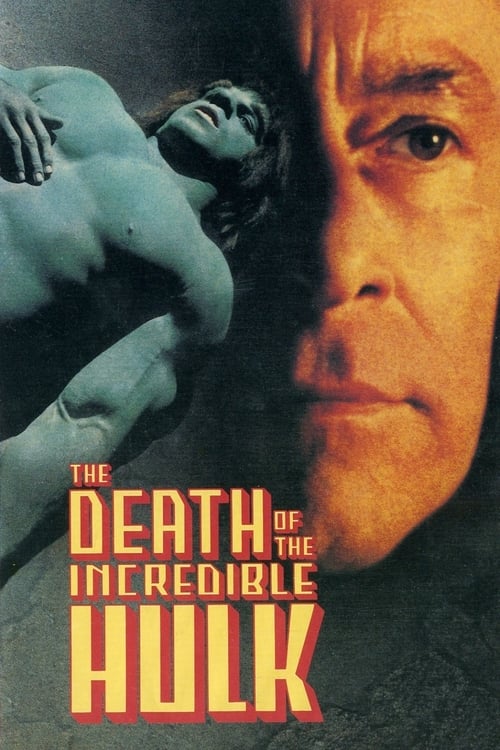
Representation Score
Limited
1990
Not RatedDirector
Bill Bixby
Runtime
95 minutes
Average Rating
No ratings yetNew Showbiz Analysis
The film functions as a character-driven conclusion to Dr. David Banner's journey, prioritizing a singular, heroic male narrative. The structure aligns with traditional mid-century dramatic formulas, focusing on individual struggle rather than systemic critique. While the central metaphor of the Hulk offers a unique perspective on involuntary physical change and disability, the production lacks visible diversity across gender, race, and LGBTQ+ identities. The reliance on conventional gender hierarchies and Western-centric intelligence frameworks keeps the story within conventional boundaries. Ultimately, the film reflects the era's character-driven television dramas, with a focus on a singular male protagonist and limited representation of diverse identities.
Category Breakdown
The story focuses entirely on the biological and existential struggles of Dr. David Banner. There is no representation of LGBTQ+ identities or stories challenging the assumption that everyone is straight or cisgender.
The story centers on a traditional male protagonist navigating international espionage. The focus on a singular male lead suggests a conventional gender hierarchy with limited roles for women.
While the espionage setting implies a global scope, there is no explicit mention of a diverse cast. The narrative lacks evidence of intentional racial blending.
The plot relies on Western scientific and intelligence-ability to act frameworks to resolve the protagonist's conflict. It follows a standard hero's journey centered on personal redemption and sacrifice.
The Hulk's condition serves as a metaphor for chronic illness or involuntary physical transformation. Banner's struggle to manage this condition provides a lens into physical alterity.
Present on Screen
Limited or Absent
Official Synopsis
In his final attempt to free himself from the curse of the Hulk, Dr. David Banner becomes involved in a dangerous international espionage mission that may finally lead to a cure. As forces close in and the stakes rise, Banner faces an ultimate sacrifice, bringing his tragic journey to a definitive and emotional conclusion.
1989
1998

1980

1990
1977
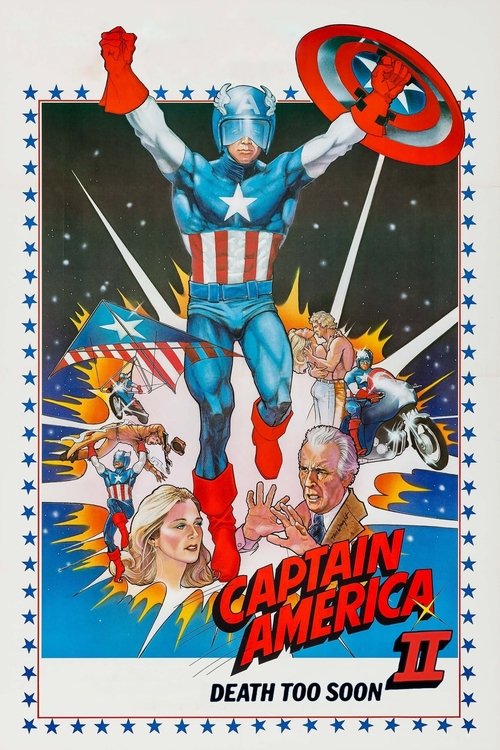
1979

1995
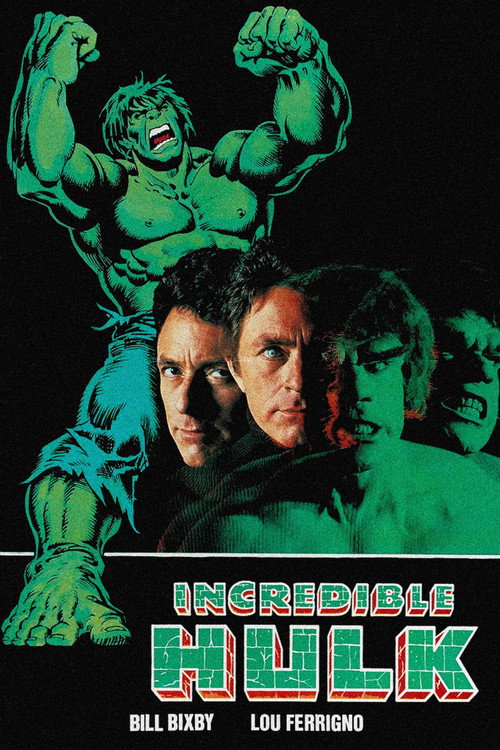
1977
No reviews yet. Be the first to share your thoughts on this movie!
Use the rating form above to leave a star rating and optional review.