
Hulk Vs.
2009
No user ratings available yet
Representation score: 2.9 out of 10

Representation Score
Limited
1988
TV-PGDirector
Nicholas Corea
Runtime
94 minutes
Average Rating
No ratings yetNew Showbiz Analysis
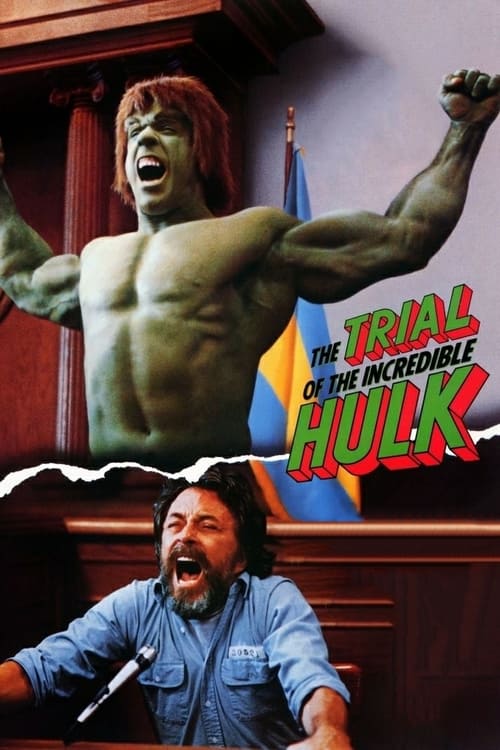
The film reflects the conventions of its time, emphasizing traditional masculine heroism and conflicts with institutions. It relies on well-known action-drama formulas without challenging societal norms. While the protagonist's internal struggles provide a nuanced perspective, the overall narrative remains narrowly focused on a single, homogeneous viewpoint.
Category Breakdown
The film does not include any LGBTQ+ characters or non-cisgender identities, focusing solely on heterosexual dynamics.
The story primarily revolves around male characters, with females being absent from the main plot.
The cast and narrative are predominantly white, with little racial diversity among the characters.
The film critiques state authority using the 'man against the system' cliché, which is a common genre cliché.
David Banner's struggle with his condition is portrayed as a complex part of his identity, both physically and psychologically.
Present on Screen
Limited or Absent
Official Synopsis
Years after the end of the original series, David Banner continues his wandering search for a cure for the condition that turns him into the Hulk. He reunites with former colleague Don Blake, unaware of his mystical connection to Thor. When a criminal organization threatens their lives, Banner is forced to unleash the Hulk once again, marking the character’s return after the series finale.
2009
2011
1989
2006
1977
1984
2008

1970
No reviews yet. Be the first to share your thoughts on this movie!
Use the rating form above to leave a star rating and optional review.