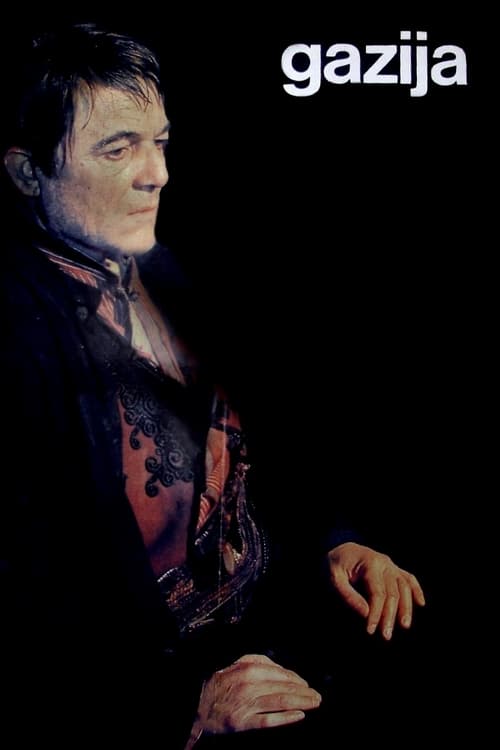
Gazija
1981
No user ratings available yet
Representation score: 3.4 out of 10
Representation Score
Limited
1978
Director
France Štiglic
Runtime
90 minutes
Average Rating
No ratings yetNew Showbiz Analysis
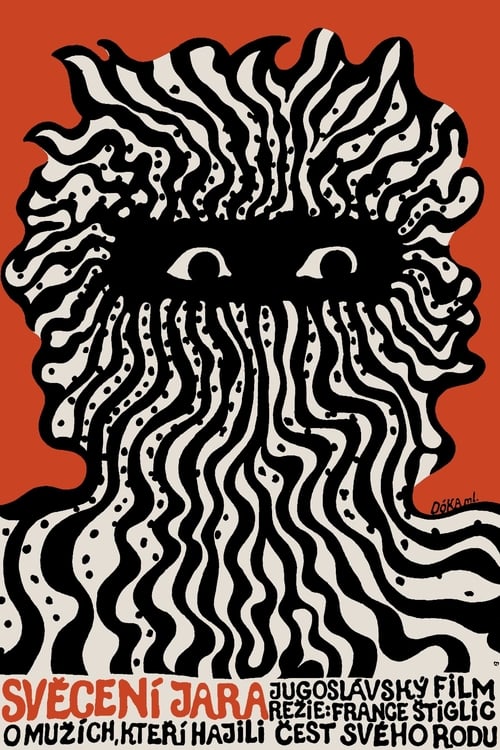
The Call to Spring serves as a historical critique of institutional violence. By focusing on the clash between imperial mandates and local folk customs, the film emphasizes the ability to act of a subjugated population against centralized power. While the film lacks diversity in LGBTQ+ or disability representation, it excels in cultural framing. It uses the Shrovetide carnival to explore the tension between state-mandated order and organic communal identity. The narrative effectively deconstructs traditional power structures, presenting the military not as a stabilizing force, but as a source of tragedy and cultural disruption.
Category Breakdown
The film doesn't include any specific LGBTQ+ characters or storylines involving queer identities. Instead, it focuses on communal rituals and young people.
The story challenges traditional gender roles by showing state-sanctioned violence. This framing presents military institutions as destabilizing forces rather than protectors.
Set in 18th-century Slovenia, the cast appears ethnically uniform. However, the plot explores the resistance of a subjugated population against the Habsburg dynasty's cultural imposition.
The film highlights the preservation of local identity through the Shrovetide carnival. It critiques imperial authority by showing the suppression of these important folk traditions.
There is no specific information about characters with visible or invisible disabilities. The narrative does not address disability representation.
Present on Screen
Limited or Absent
Official Synopsis
In 18th century Slovenia ruled by the Habsburg dynasty, a troop of soldiers are ordered to prevent the Shrovetide carnival by force and two youngsters are killed in the fight that ensue.
1981

1967
1979
1985
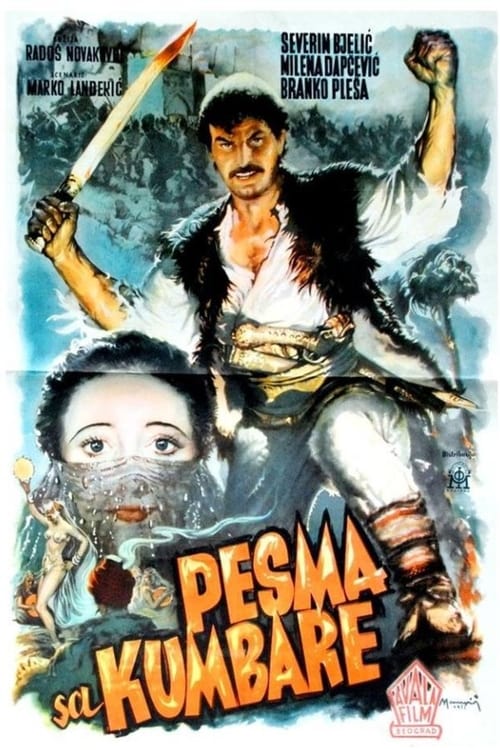
1955
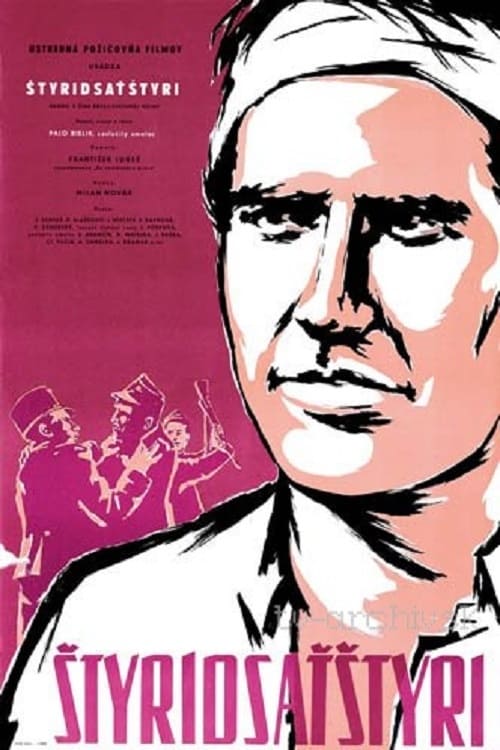
1958

1975
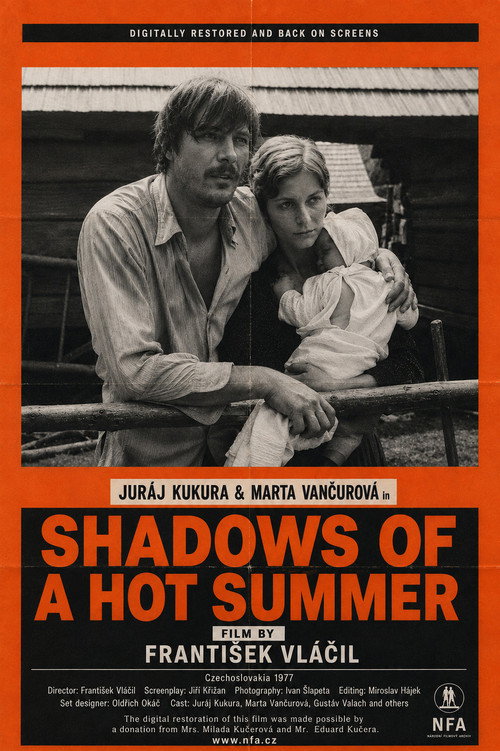
1978
No reviews yet. Be the first to share your thoughts on this movie!
Use the rating form above to leave a star rating and optional review.