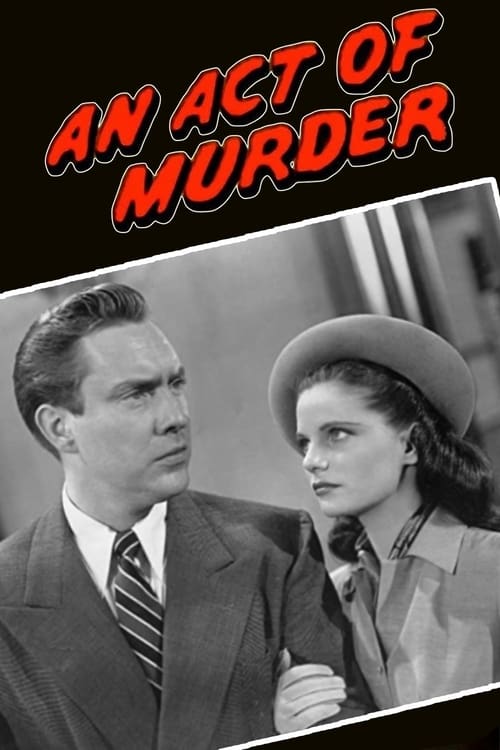
An Act of Murder
1948
No user ratings available yet
Representation score: 2.5 out of 10
Representation Score
Limited
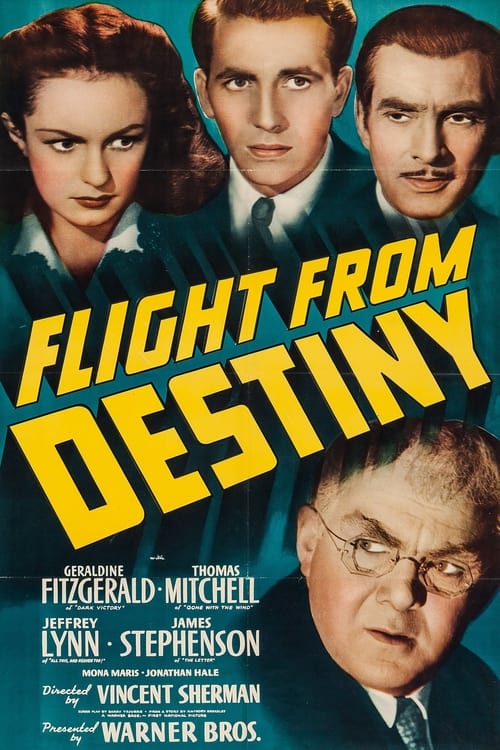
1941
ApprovedDirector
Vincent Sherman
Runtime
75 minutes
Average Rating
No ratings yetNew Showbiz Analysis
Flight from Destiny is a product of the 1941 studio system, adhering strictly to the era's conventional storytelling and social hierarchies. The narrative centers on a singular male perspective, focusing on a professor's moral decline following a terminal diagnosis. The film lacks meaningful representation across most categories. It operates within a homogeneous, Western framework that prioritizes individualist morality over diverse perspectives or systemic critiques. While the protagonist's illness is central to the plot, it functions primarily as a catalyst for his vigilante actions rather than a nuanced portrayal of living with a chronic condition.
Category Breakdown
The film does not depict any non-straight or non-cisgender identities or same-sex relationships. The story follows a traditional male-focused framework centered on a male protagonist.
The story is driven by male characters, with Professor Henry Todhunter guiding the moral narrative. Female characters are defined by their relationships to the male lead.
The narrative focuses on a predominantly white social setting. There is no indication of a diverse or non-Anglo-Saxon cast within the story.
The film explores personal morality and vigilantism through a subjective lens. It does not challenge Western institutions or systemic social structures.
A terminal illness serves as a plot device to trigger the protagonist's actions. The condition is used for character development rather than exploring the experience of living with a chronic condition.
Present on Screen
Limited or Absent
Official Synopsis
After his doctor informs him he will die in six months, Professor Henry Todhunter decides to spend his last days killing someone who contributes nothing but harm to society. When Henry learns that his friend Betty's husband, Michael, has been painting forgeries of ancient paintings for gallery owner Ketti Moret, he investigates the fraudulent dealer's life. Judging that Ketti is truly evil, Henry prepares to murder her.
1948
1939
1949
1950
1947
1949

1946

1958
No reviews yet. Be the first to share your thoughts on this movie!
Use the rating form above to leave a star rating and optional review.