
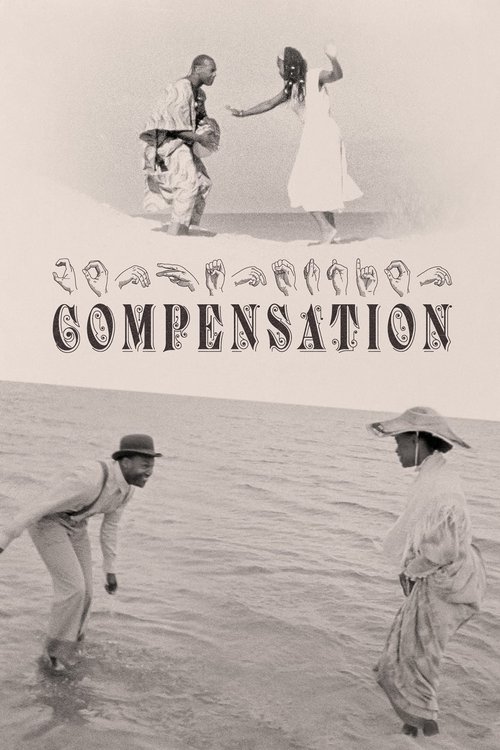
The First Grader
2010
No user ratings available yet
Representation score: 6.7 out of 10
Representation Score
Excellent
1999
Director
Zeinabu irene Davis
Runtime
93 minutes
Average Rating
No ratings yetNew Showbiz Analysis
Zeinabu Irene Davis creates a film that disrupts conventional narrative expectations by weaving together themes of disability, race, and gender through a non-linear historical lens. The dual-timeline structure connects a Black woman from the early 1900s to one in the 1990s, offering a sophisticated look at how identity is maintained across different eras of American history. While the film excels in racial and gender representation, it lacks explicit documentation of queer themes, resulting in a more moderate score for LGBTQ+ representation.
Category Breakdown
The film focuses on the inner lives of Black female characters but does not explicitly document specific depictions of non-straight relationships.
The narrative centers on the interiority and ability to act of women, disrupting patriarchal structures that often sideline female characters.
By using a dual-timeline structure, the film excels in exploring the continuity of the Black experience, moving beyond including someone from a minority group without giving them real depth.
The work engages with historical and contemporary Black life, favoring personal memory and intimacy over traditional Western narratives.
A deaf protagonist is portrayed as a central component of identity, not just a deficit to be overcome.
Present on Screen
Limited or Absent
Official Synopsis
The life of a deaf African American woman in the early 1900s parallels with another living in the 1990s.
2010

1997

2003

1920

1991
1990

1986

1981
No reviews yet. Be the first to share your thoughts on this movie!
Use the rating form above to leave a star rating and optional review.