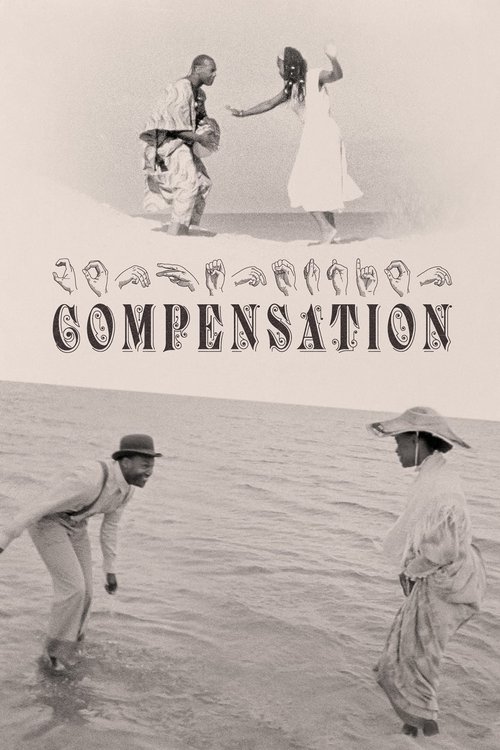
Compensation
1999
No user ratings available yet
Diversity score: 7.8 out of 10
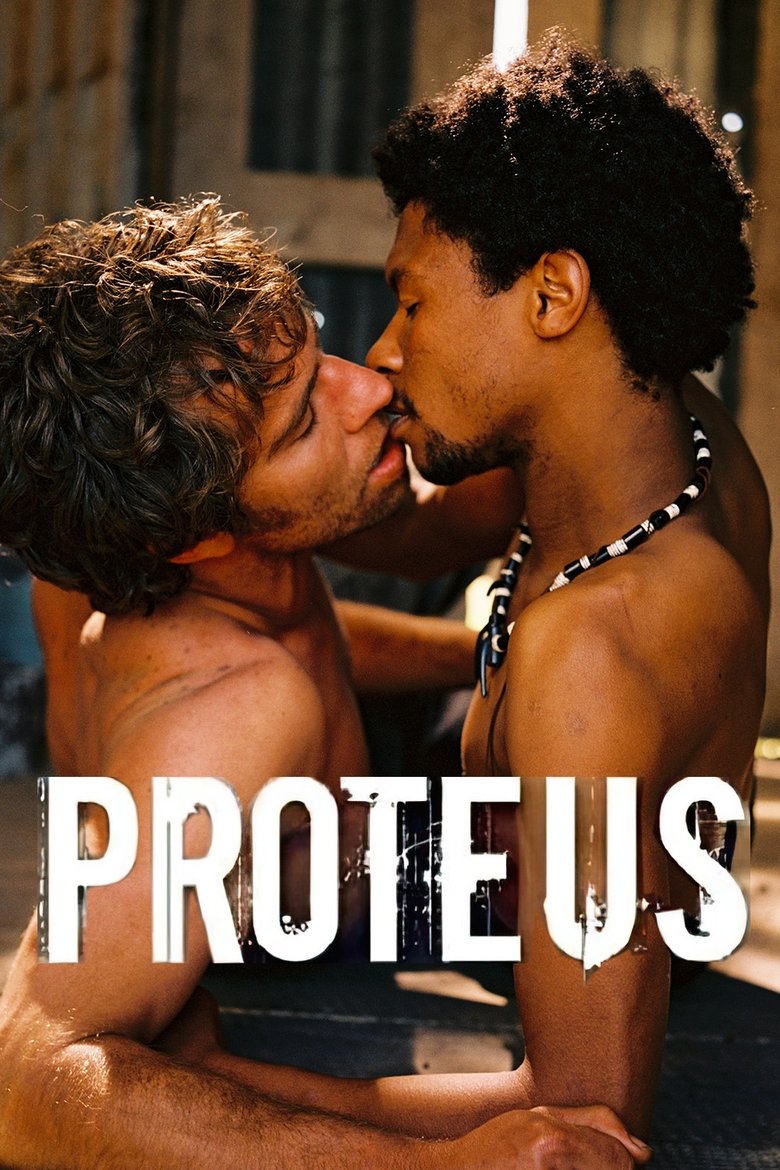
2003
Not RatedDirector
John Greyson, Jack Lewis
Runtime
102 minutes
Average Rating
No ratings yetSynopsis
An exquisite period piece that skillfully explores the intersections of sex, race and politics takes place in 18th century South Africa, telling the passionate (true) story of two men caught in an unjust system rife with racism, homophobia and cruelty.
Overall Score
Excellent
Category Breakdown
LGBTQ+ Representation
The film serves as a foundational queer text by centering the narrative on same-sex intimacy and the politics of desire. It utilizes a docudrama structure to critique heteronormative frameworks and prioritize queer agency.
Gender Representation
The story disrupts conventional hierarchies by exploring identities outside of cisnormative expectations. While focused on male queer identity, it actively challenges the patriarchal structures typical of period dramas.
Racial & Ethnic Diversity
Set in 18th-century South Africa, the film examines how colonial racial hierarchies overlap with sexual identity. It provides a nuanced look at how marginalized bodies are managed by dominant power structures.
Religious & Cultural Diversity
The film engages with post-colonial themes by critiquing how medical and capitalist institutions manage marginalized bodies. It rejects Western-centric moralities through a sophisticated, postmodern lens.
Disability Representation
The narrative explores the intersection of health and identity by centering the lived realities of those navigating illness. It avoids tropes by focusing on the socioeconomic and political realities of chronic conditions.
Strengths
Areas for Improvement
AI Analysis
Proteus is a sophisticated period piece that excels through its intersectional approach to storytelling. By weaving together race, sexuality, and colonial politics, the film moves beyond simple representation to offer a rigorous critique of systemic oppression. The film's strength lies in its refusal to treat identity as a secondary trait. Instead, the intersection of these identities drives the entire narrative engine, making it an intellectually demanding and progressive work. While the focus on male queer identity limits broader gender diversity, the film's engagement with non-traditional structures remains highly effective. It stands as a vital example of how cinema can deconstruct institutional authority.
1999
1999

2009

2015

2010

2019
2012

2010
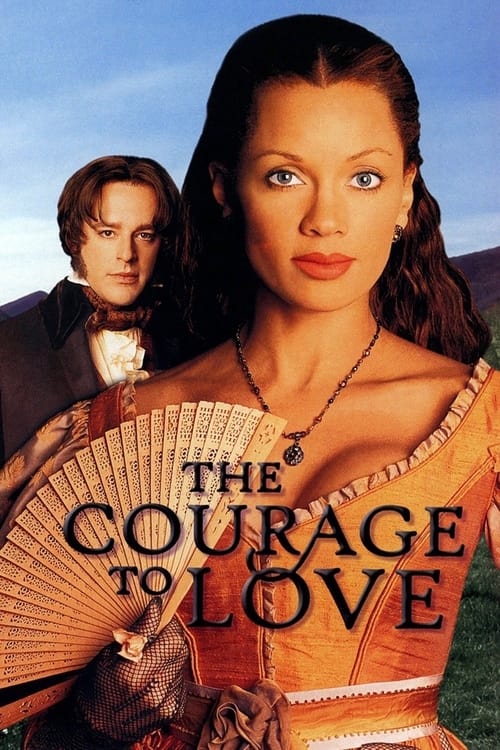
2000
No reviews yet. Be the first to share your thoughts on this movie!
Use the rating form above to leave a star rating and optional review.