
Gemini
2005
No user ratings available yet
Representation score: 8.6 out of 10
Representation Score
Fair
2001
Director
Kjell-Åke Andersson
Runtime
102 minutes
Average Rating
No ratings yetNew Showbiz Analysis
Family Secrets deconstructs the mid-century nuclear family by moving away from traditional domestic stability to explore the fragility of social structures and the erosion of the family facade. The film delves into internal identity and the disruption of gendered expectations by focusing on adolescent sexuality and maternal ability to act. However, it is limited by its narrow demographic scope, which keeps the story within a very specific, homogeneous European context.
Category Breakdown
The film examines adolescent identity through male characters exploring their sexuality. This approach moves away from strict sexual scripts by highlighting the complexities of growing desires.
The story challenges the 'sacrificial mother' cliché by focusing on a woman's choice to reconnect with a former partner. It critiques the performative nature of gender roles within a middle-class setting.
Set in 1978 suburban Sweden, the film seems to depict a homogeneous social environment. There is no indication of racial diversity or varied casting within this specific historical context.
The story deconstructs the traditional Western family unit, presenting the domestic institution as a fragile construct. It prioritizes individual emotional truth over the maintenance of patriarchal social orders.
There are no visible or mentioned depictions of physical or neurodivergent disabilities in this work.
Present on Screen
Limited or Absent
Official Synopsis
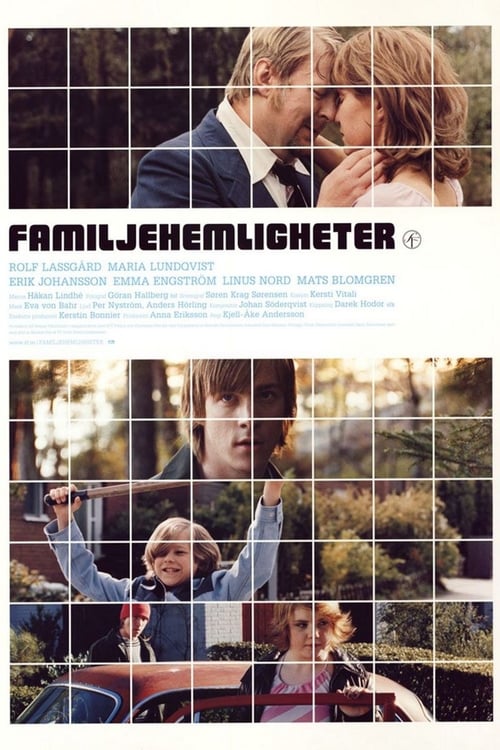
Autumn 1978 in suburban Sweden. Everything seems to be fine with the middle class Bendrick family with their two teenage children and a younger son, until the mother starts seeing her first love again after 20 years. Just like their badly built house, the family façade starts slowly crumbling into pieces. The daughter, 15, finds her first love, and the boys too are puzzled by their own questions around adolescence and sexuality. The father tries to keep up a happy face, while the youngest son is the first and the most sensitive to realize how the family is heading towards a disaster.
2005

1993

2014

1983

1985

2016
1995

1961
No reviews yet. Be the first to share your thoughts on this movie!
Use the rating form above to leave a star rating and optional review.