
Project Ithaca
2019
No user ratings available yet
Diversity score: 5.5 out of 10
2008
Not RatedDirector
Robert Dyke
Runtime
106 minutes
Average Rating
No ratings yetSynopsis
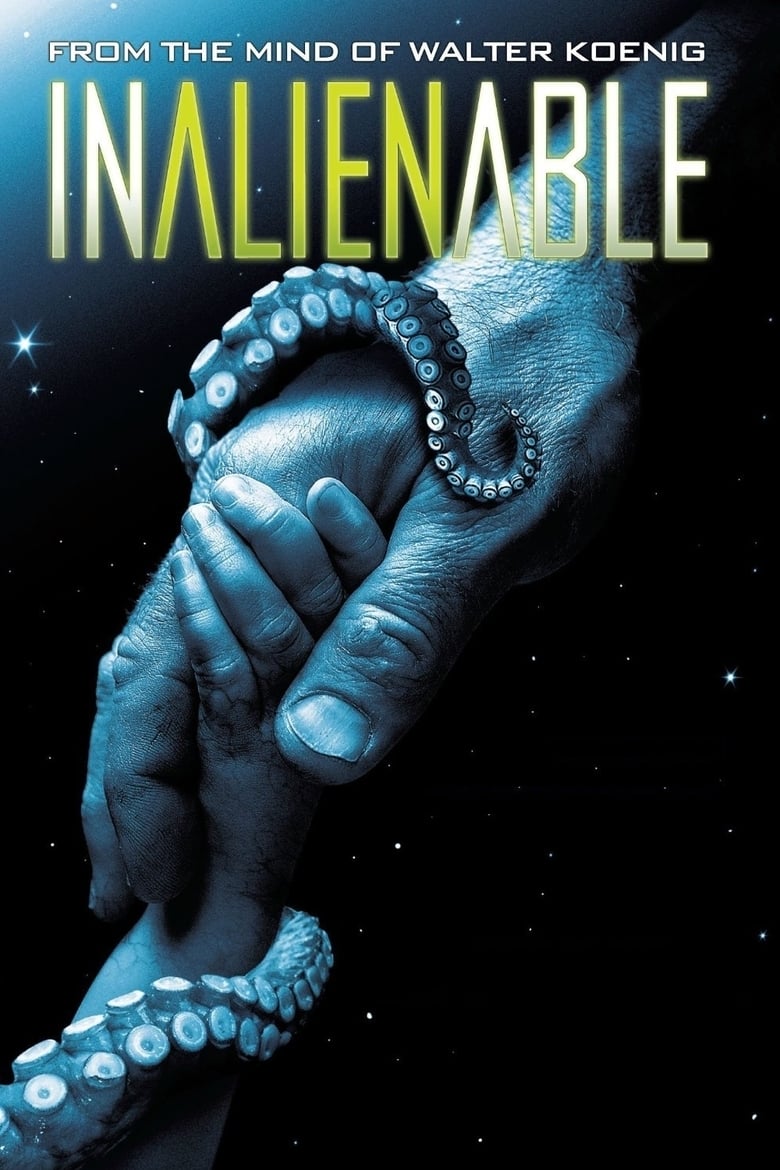
Still guilt-ridden over the accident that took his family's lives, Eric Norris discovers that his body is host to a parasite from another world. Except, it is more than a parasite: it carries his DNA.
Overall Score
Fair
Category Breakdown
LGBTQ+ Representation
The film lacks explicit depictions of LGBTQ+ identities or non-heteronormative romantic structures. The central emotional core focuses on a paternal bond and a traditional romantic interest.
Gender Representation
Dr. Shilling disrupts traditional hierarchies by acting as a source of interpersonal friction. This character uses psychological manipulation and verbal hostility rather than serving as a secondary figure.
Racial & Ethnic Diversity
The narrative uses biological blending as a metaphor for racial integration and hybrid identities. The casting of Erick Avari suggests a more diverse ensemble than typical mid-budget sci-fi.
Religious & Cultural Diversity
The film critiques systemic legal frameworks by framing government forces as oppressive entities. It uses courtroom drama to challenge traditional Western institutions and biological norms.
Disability Representation
There is no explicit focus on physical or neurodivergent disability. However, the protagonist is depicted navigating profound psychological trauma and grief following a family tragedy.
Strengths
Areas for Improvement
AI Analysis
InAlienable uses the science fiction genre to explore complex themes of identity and systemic oppression. By framing the central conflict around the integration of alien and human DNA, the film creates a sophisticated metaphor for racial integration and the complexities of hybridity. The narrative is notably progressive in its treatment of 'the other,' portraying government intervention as a predatory force. This approach shifts the focus from biological threat to the rights of non-traditional life forms within a legal context. While the film lacks significant LGBTQ+ or explicit disability representation, it succeeds in deconstructing social hierarchies. It moves beyond standard genre tropes to offer a critique of established legal and biological norms.
2019

2015

2020
2016

2021

2018
2018
2002

2018

2015

2004
2015
No reviews yet. Be the first to share your thoughts on this movie!
Use the rating form above to leave a star rating and optional review.