
Parasyte: Part 2
2015
No user ratings available yet
Representation score: 3.5 out of 10
Representation Score
Fair
2014
NRDirector
Takashi Yamazaki
Runtime
109 minutes
Average Rating
No ratings yetNew Showbiz Analysis
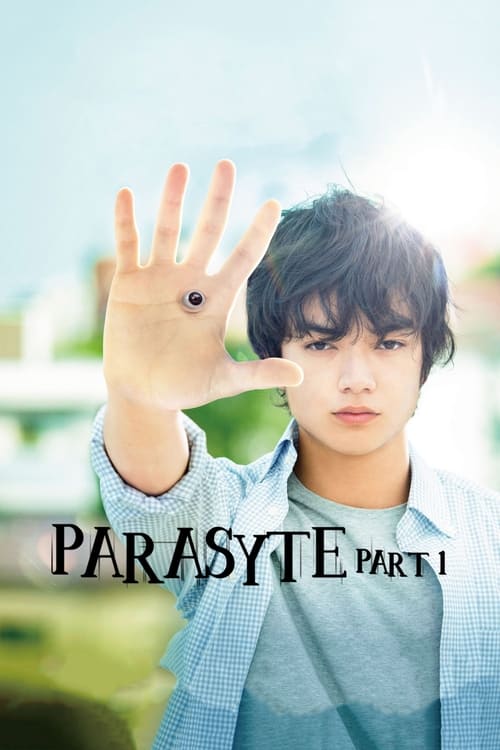
Parasyte: Part 1 is a genre-driven exploration of identity that prioritizes existential inquiry over social identity politics. It succeeds in deconstructing the concept of 'humanity' by replacing traditional moral binaries with a survivalist, post-humanist perspective. However, the film remains tied to conventional social structures. It lacks demographic breadth, offering little in the way of LGBTQ+ or racial diversity, and relies on traditional gender hierarchies where the male lead holds primary ability to act. Ultimately, the film's depth lies in its philosophical approach to bodily autonomy and moral relativism rather than its representation of diverse social identities.
Category Breakdown
The film operates within a conventional framework that assumes everyone is straight or cisgender. It does not include explicit queer perspectives or non-assuming gender matches what was assigned at birth identities.
The male protagonist drives the plot through his psychological transformation. Female characters such as Satomi provide emotional support but have limited influence within a traditional structure.
Set in a contemporary Japanese context, the film presents a culturally homogeneous environment. It lacks diverse ethnic perspectives or representations of different racial backgrounds.
The narrative challenges traditional moral binaries by framing parasites through biological necessity rather than evil. This introduces moral relativism and questions human-centric social and religious frameworks.
Shinichi’s loss of his right hand serves as a metaphorical exploration of physical and neurological changes. The film treats this condition as a source of alienation rather than inspiration.
Present on Screen
Limited or Absent
Official Synopsis
Humanity is suffering from a series of mysterious murders across the globe, known as the 'Mincemeat murders'. High school student Izumi Shinichi has a parasite living off him, having replaced his right hand, and he might be the discoverer of truth.
No reviews yet. Be the first to share your thoughts on this movie!
Use the rating form above to leave a star rating and optional review.