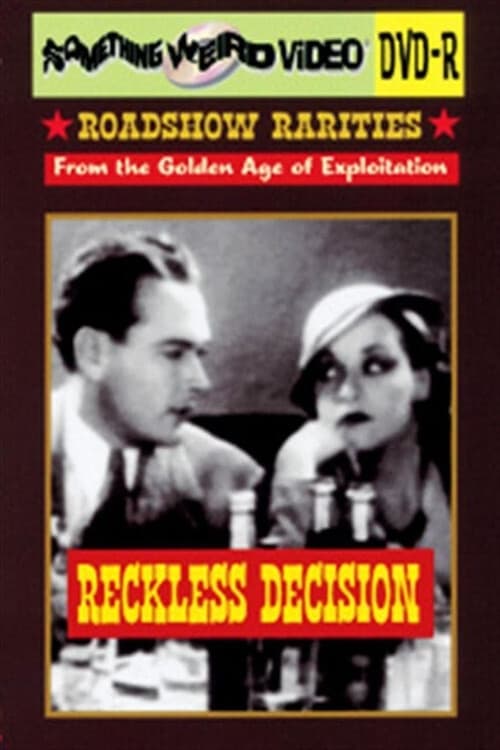
Reckless Decision
1933
No user ratings available yet
Representation score: 0.4 out of 10
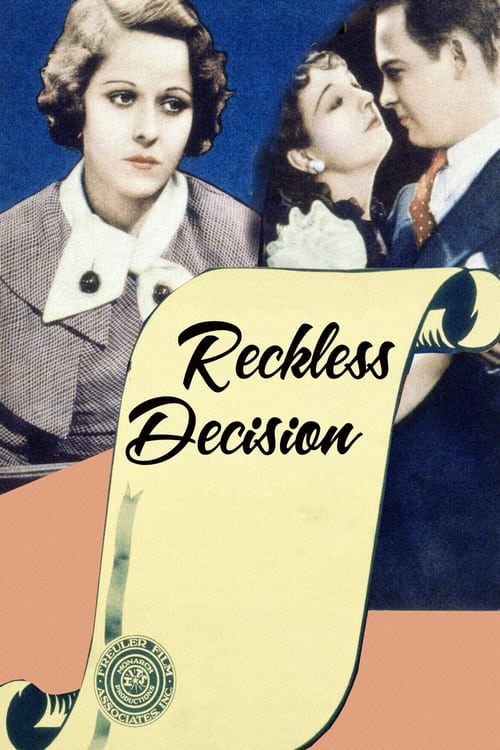
Representation Score
Limited
1933
PassedDirector
Howard Higgin
Runtime
67 minutes
Average Rating
No ratings yetNew Showbiz Analysis
The film presents a traditional domestic conflict through a strictly conventional lens. The story follows a teenage girl who violates her father’s puritanical expectations by getting married in a drunken stupor. The narrative treats the father’s authority and religious values as the primary moral framework, positioning the daughter’s lack of control as the source of tension. The film reflects the era’s norms, with a homogeneous white cast and a clear gender dynamic where the male character initiates the action and the female character reacts. There is no depiction of disability, queer identity, or racial diversity. The cultural focus remains on the tension between individual impulse and established family and religious structures, with the traditional hierarchy upheld as the central concern.
Category Breakdown
No same-sex romance or queer characters appear in the plot or cast. The narrative focuses exclusively on a heterosexual marriage between a teenage girl and a man.
The female protagonist is a passive recipient of a drunken marriage, lacking agency in the decision. The male lead drives the plot through his actions, while the father figure enforces strict gender expectations regarding marriage and purity.
The cast and story are entirely white, reflecting the standard demographic of 1930s American cinema. No non-white characters are named in the credits or described in the synopsis.
The film centers on a puritanical Reverend whose traditional values regarding marriage and drinking frame the conflict. Faith and family structure are treated as the primary social forces, with the protagonist’s deviation from these norms causing the central drama.
No characters with disabilities are identified in the cast, plot, or reception. The story relies on temporary states of intoxication rather than ongoing physical or mental conditions.
Present on Screen
Limited or Absent
Official Synopsis
The teenage daughter of a puritanical Reverend promises him she will not marry until she is older, but after a night of heavy drinking she wakes up to find she has a husband.
1933

1920
1931

1929

1934

1930

1933

1930
No reviews yet. Be the first to share your thoughts on this movie!
Use the rating form above to leave a star rating and optional review.