
Greedy People
2024
No user ratings available yet
Representation score: 8.2 out of 10
Representation Score
Fair
2025
PG-13Director
Chris Columbus
Runtime
118 minutes
Average Rating
No ratings yetNew Showbiz Analysis
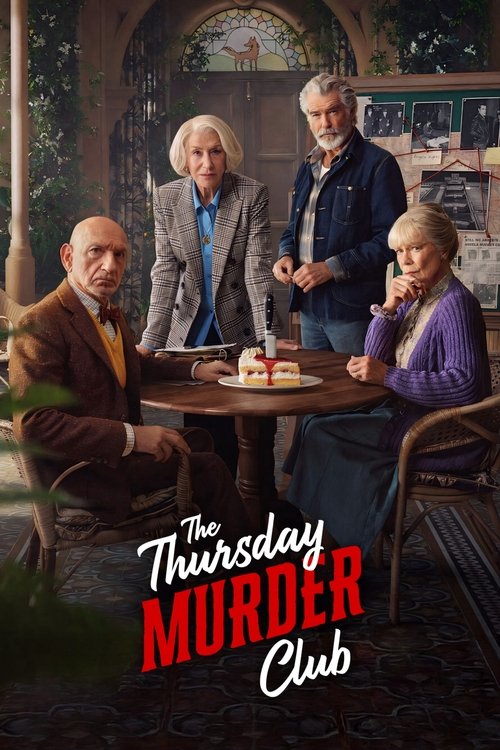
The Thursday Murder Club leans into the cozy mystery genre, focusing on comfort and resolution rather than ideological exploration. Chris Columbus directs a character-driven narrative that includes diverse casting as a natural progression. Racial and ethnic diversity stands out, disrupting genre expectations while maintaining narrative coherence. Female characters have professional roles, but the domestic setting limits deeper critiques of gender dynamics. Queer representation is missing, and disability is used primarily as a plot device. The cultural framework remains conventional, emphasizing moral clarity and community cohesion.
Category Breakdown
The film doesn't include any openly LGBTQ characters or romantic subplots, sticking closely to traditional relationship dynamics.
Women such as Joyce and Penny Gray play key roles in the investigation, but the story focuses on their domestic lives without deeply examining patriarchal structures.
Actors like Ben Kingsley, Naomi Ackie, and Daniel Mays bring a mix of ethnicities to the cast, adding diversity without reducing characters to stereotypes.
The story relies on familiar British cultural touchstones, emphasizing moral clarity and community cohesion without challenging conventional norms.
The film highlights aging and medical issues, but Penny Gray’s coma serves mainly as a plot device rather than exploring disability experiences.
Present on Screen
Limited or Absent
Official Synopsis
A group of senior sleuths passionate about solving cold cases get plunged into a real-life murder mystery in this comic crime caper.
2024

1939

2024

2015

2026

2023
2019

1964
No reviews yet. Be the first to share your thoughts on this movie!
Use the rating form above to leave a star rating and optional review.