Memorias de Leticia Valle
1980
No user ratings available yet
Representation score: 5.7 out of 10
Representation Score
Fair
1982
Director
Javier Aguirre
Runtime
93 minutes
Average Rating
No ratings yetNew Showbiz Analysis
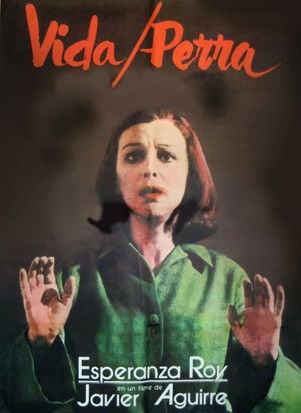
Vida/Perra stands as a radical departure from mainstream cinema, using an experimental monologue format to emphasize textual authenticity. By focusing the entire work on Esperanza Roy's performance, the film successfully challenges traditional gender hierarchies and the passive female stereotype. The film's strength lies in its commitment to non-conformist storytelling and its refusal to sanitize the complex moral relativism found in Vázquez's writing. It functions as a deconstruction of commercial clichés, favoring intellectual depth and a singular, potentially transgressive perspective. However, the film's reliance on a single performer and a literary adaptation leaves certain areas of representation, such as specific LGBTQ+ markers and disability, unconfirmed or absent.
Category Breakdown
The film adapts Ángel Vázquez’s literary work, which explores themes that challenge traditional norms. However, specific on-screen depictions of LGBTQ+ identities remain unverified.
The movie centers on a female protagonist, Esperanza Roy, who delivers a monologue. This structure breaks away from typical male-dominated narratives and gives the female lead significant intellectual and performative power.
The production aligns with the 'Anticine' movement, emphasizing non-Western narrative styles over Hollywood conventions. It draws from specific regional and linguistic contexts through the work of Ángel Vázquez.
The film embraces subjective morality and secularism by presenting the novel's text without commercial sanitization. Its experimental monologue format prioritizes individual expression over traditional Western narrative structures.
There is no evidence regarding the portrayal of physical or neurodivergent disabilities within the film.
Present on Screen
Limited or Absent
Official Synopsis
Vida/Perra is the first feature-length film of Aguirre's "Anticine" and the first monologue in movie history. Aguirre's wife, Esperanza Roy, is the actress of this piece of visual art made as an adaptation of Ángel Vázquez's novel, whose texts are read by Esperanza "as they are." This means, the text have been extracted from the novel without changing their words.
1980
2008
1979
2001
1972
1955
1971
1977
No reviews yet. Be the first to share your thoughts on this movie!
Use the rating form above to leave a star rating and optional review.