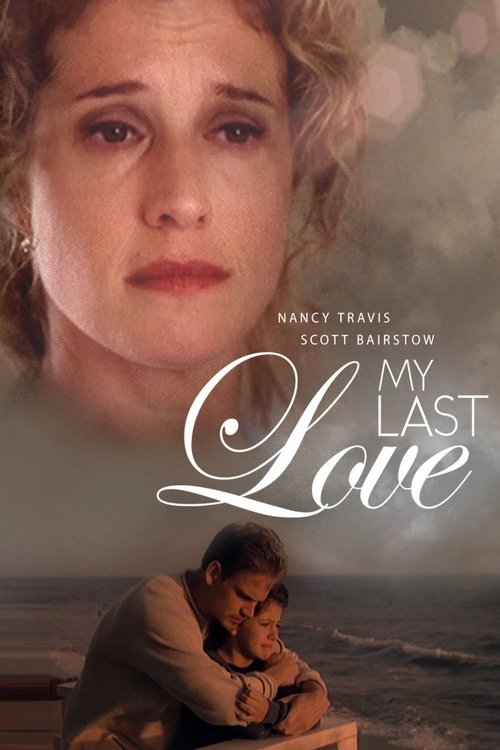
My Last Love
1999
No user ratings available yet
Representation score: 5.0 out of 10
No Poster Available
Representation Score
Fair
1999
Director
Elvis Restaino
Runtime
84 minutes
Average Rating
No ratings yetNew Showbiz Analysis
See Dick Die presents a narrative that challenges traditional domestic expectations through its central character arcs. The plot moves away from idealized family structures by focusing on marital dissolution and complex personal histories. However, the film lacks the breadth of representation needed for a higher score. The storytelling relies heavily on melodrama and familiar formulas, particularly in how disability and identity are used to drive plot tension. Ultimately, the absence of diverse racial frameworks and the focus on individual interpersonal conflict limit the film's overall impact on diversity.
Category Breakdown
The story challenges traditional domestic life through Karen's desire to leave her husband for another woman. However, this same-sex relationship is portrayed within the context of high-stakes drama rather than deep exploration of identity.
Karen drives the plot by choosing to end her marriage, challenging the stereotype of a submissive wife. However, the narrative still focuses on female vulnerability and traditional struggles.
The film does not feature a diverse cast representing non-Anglo-Saxon backgrounds. While set in Los Angeles, the story focuses on interpersonal dynamics without addressing ethnic diversity.
The film explores the breakdown of the nuclear family and subjective morality through the dissolution of marriages and substance abuse. It avoids idealized moral frameworks but may use systemic struggle as a backdrop.
Cancer serves as a significant plot device, driving tension and character development. However, the illness functions mainly as a structural element for plot tension rather than a nuanced exploration of living with a terminal condition.
Present on Screen
Limited or Absent
Official Synopsis
The story has many twists and turns among its four main characters. Karen wants to leave her husband for "another woman". The other woman, Monica, is a former drug addict rescued from an almost certain death on the streets of Los Angeles. However, their plan to be together becomes complicated when Karen learns that her husband is terminally ill with cancer.
1999

2008

1994
2002

2001

2001

2012

2006
No reviews yet. Be the first to share your thoughts on this movie!
Use the rating form above to leave a star rating and optional review.