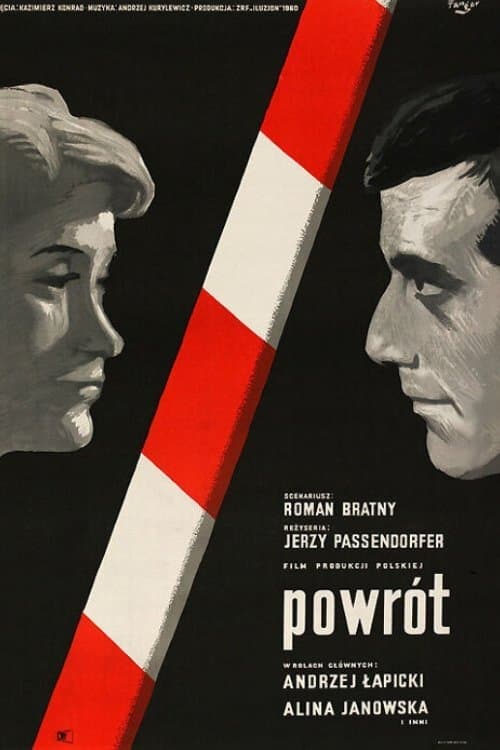
The Return
1960
No user ratings available yet
Representation score: 1.2 out of 10
Representation Score
Fair
1968
Director
Miroslav Antić
Runtime
68 minutes
Average Rating
No ratings yetNew Showbiz Analysis
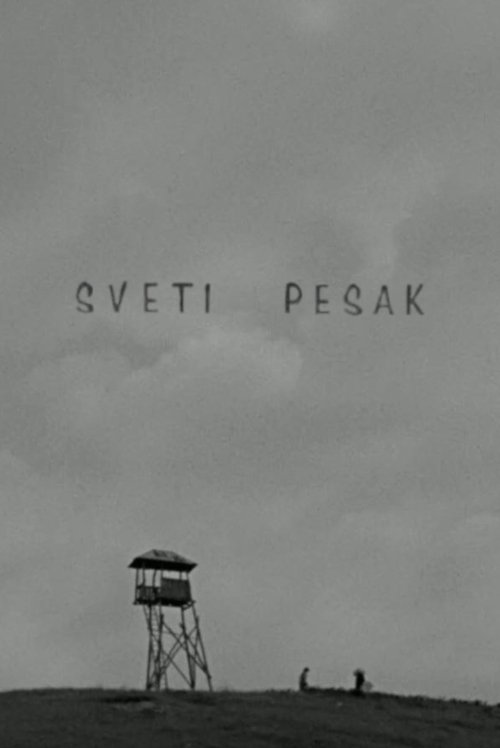
Holy Sand is a somber, existentialist drama that examines the erosion of individual identity within collective historical narratives. It replaces traditional heroic war arcs with a study of systemic abandonment and the fragility of ideological belonging. The film's strength lies in its sophisticated critique of institutional power. By focusing on a man omitted from the official roll-call of history, it highlights how state structures can sideline the individuals they once championed. However, the film lacks modern demographic markers. It provides little representation for LGBTQ+ identities or overt racial diversity, remaining focused on a singular, masculine-coded political experience.
Category Breakdown
The film does not include any LGBTQ+ characters or narratives. The story focuses solely on the protagonist's relationship with his former political comrades and the state.
The narrative centers on masculine political structures and veteran experiences. The setting appears dominated by traditional masculine hierarchies of wartime leadership and political commissars.
As a Yugoslavian production, the film likely reflects the multi-ethnic composition of the Balkan region. However, it lacks explicit details regarding diverse casting or specific ethnic characters.
The film offers a profound critique of institutional reliability. It portrays the protagonist as an abandoned figure, challenging the perceived benevolence of political structures and nationalist narratives.
No specific physical or neurodivergent disabilities are depicted. The protagonist's social and existential erasure serves as a metaphor for a fractured psyche and profound alienation.
Present on Screen
Limited or Absent
Official Synopsis
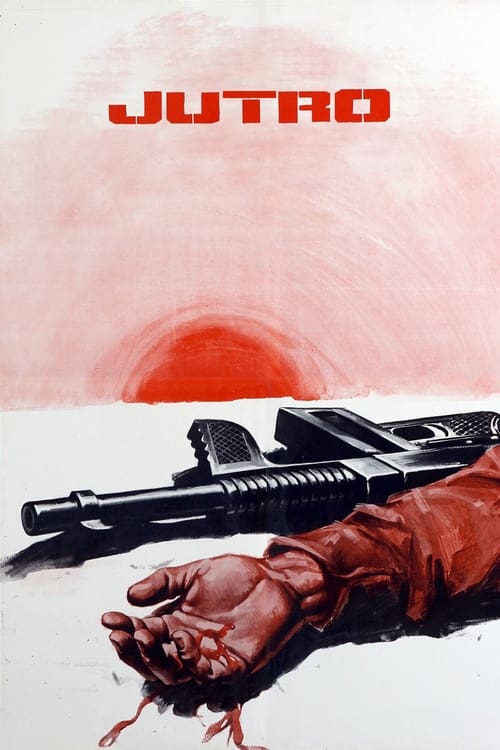
A man who used to be a political brigade commissar offended the society. Twenty years after the war, he comes to visit the old monument erected in honor of his dead comrades, unwanted and abandoned. They were roll-calling the dead and alive, but his name was not mentioned. And he stood before his comrades, face to face. He stood, and it looked as if he had never existed.
1960
1970
1968
1985
1966
2021
1993
1967
No reviews yet. Be the first to share your thoughts on this movie!
Use the rating form above to leave a star rating and optional review.