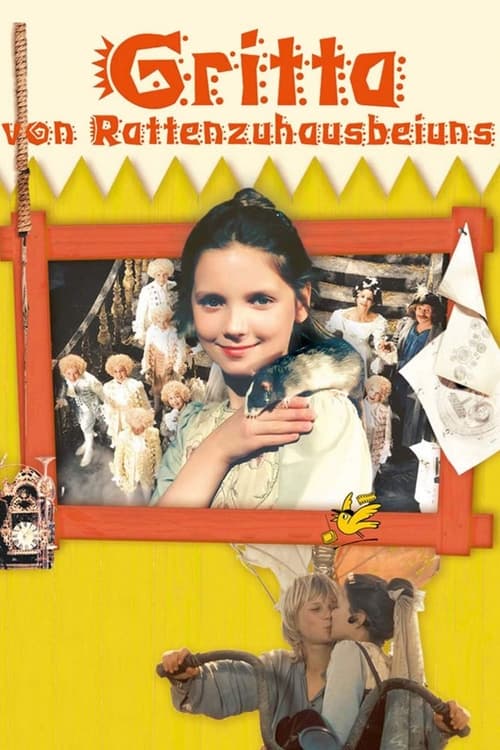
Gritta of the Rats' Castle
1985
No user ratings available yet
Diversity score: 4.9 out of 10
No Poster Available
1978
Director
Pascal Kané
Runtime
96 minutes
Average Rating
No ratings yetSynopsis
Eleven-year old Dora (Nathalie Manet) is forced to chase after clues concerning her inventor-father's death while being chased by thugs working for big industry. Not only is she seeking to understand her father's mysterious death, but some of the clues he gave her indicate that he invented something unusual which the big companies want. She barely escapes being kidnapped and is helped in her search by a magical fairy and an aspiring actress.
Overall Score
Fair
Category Breakdown
LGBTQ+ Representation
The film lacks explicit LGBTQ+ characters or non-heteronormative dynamics. The story focuses on Dora's journey alongside a fairy and an actress, reflecting the standard social norms of 1970s family cinema.
Gender Representation
Dora breaks traditional adventure tropes by serving as the primary driver of the plot. As an eleven-year-old girl, she maintains intellectual and physical autonomy while navigating dangerous investigations.
Racial & Ethnic Diversity
The production follows standard 1970s European casting conventions. There is no evidence of a non-white majority cast or intentional race-bending within the narrative.
Religious & Cultural Diversity
The film critiques systemic power by pitting a young girl against predatory big industry. This framework explores the ethics of corporate expansion and individual agency against large-scale institutions.
Disability Representation
There are no visible or invisible disabilities portrayed as central to the character arcs. No specific representation of neurodivergent or physical disability is present.
Strengths
Areas for Improvement
AI Analysis
Dora et la lanterne magique stands out for its progressive handling of gender, placing a young girl in a position of significant agency. Rather than a passive character, Dora actively investigates her father's death and resists powerful corporate entities. However, the film remains a product of its era, lacking intentional racial diversity or LGBTQ+ representation. The narrative focuses more on the struggle against industrial hegemony than on intersectional identity politics. Ultimately, the film succeeds in subverting the 'damsel in distress' trope, even if it does not address broader social diversities found in modern cinema.
1985
1980

2025
2003

1972
2020
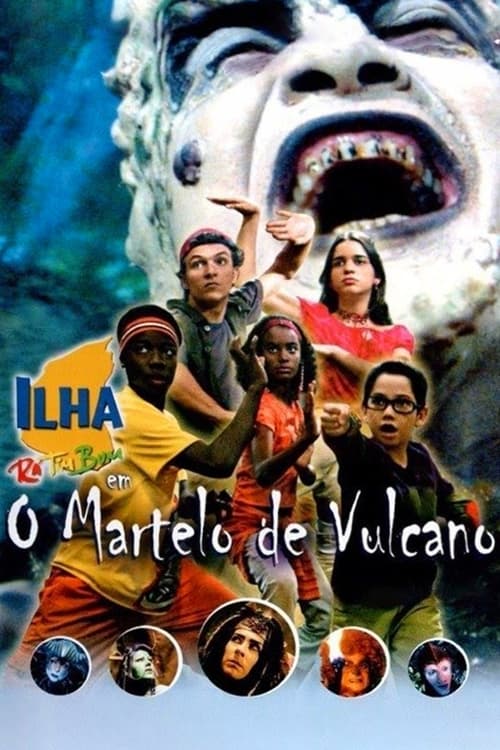
2003

2018
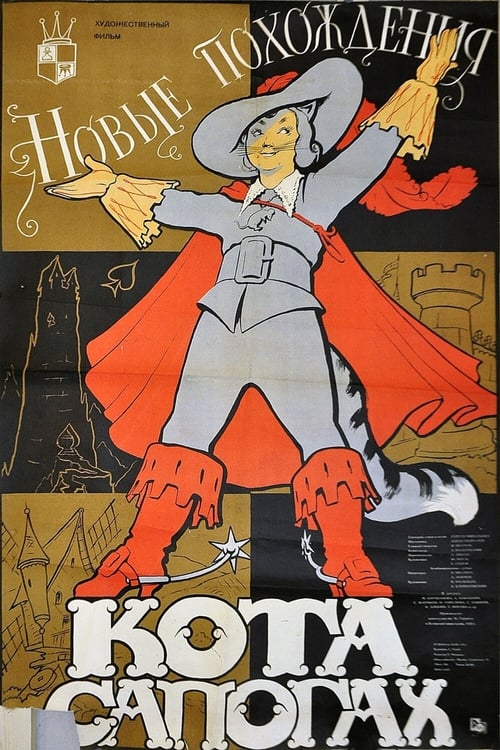
1958
2008
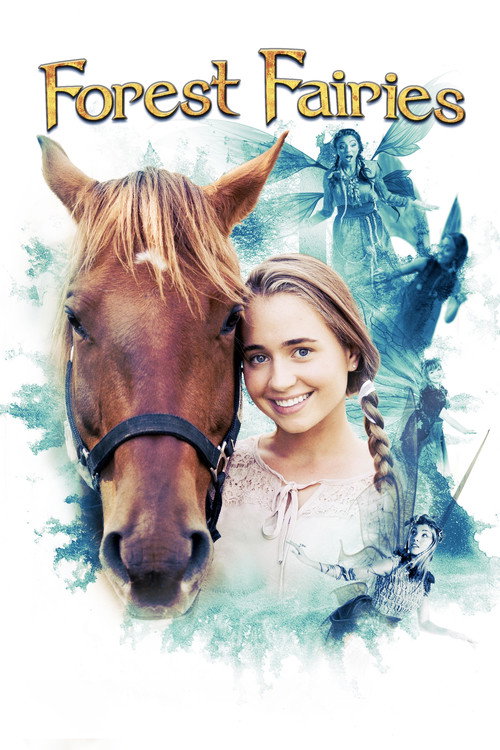
2015
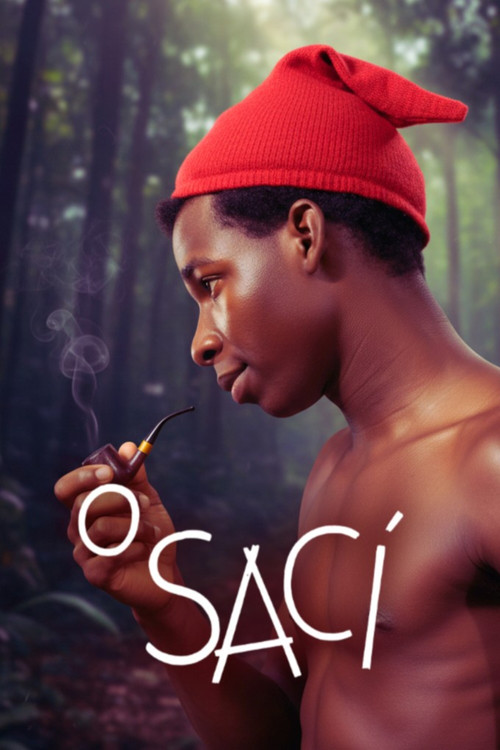
1951
No reviews yet. Be the first to share your thoughts on this movie!
Use the rating form above to leave a star rating and optional review.