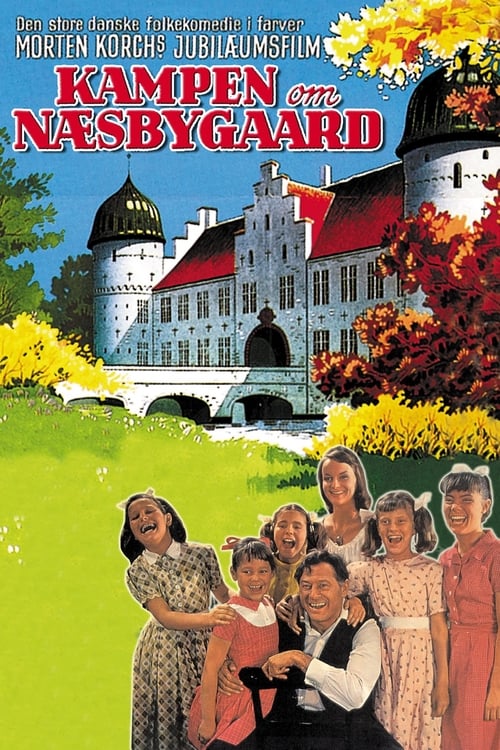
Kampen om Næsbygaard
1964
No user ratings available yet
Representation score: 0.5 out of 10
Representation Score
Minimal
1965
Director
Alice O'Fredericks
Runtime
99 minutes
Average Rating
No ratings yetNew Showbiz Analysis
This film is a classic mid-century drama that emphasizes established social hierarchies and conventional moral storytelling. It reflects the era's focus on localized stability and traditional archetypes. While the film provides a glimpse into individual corruption through a female perspective, it does not attempt to disrupt gender roles or challenge prevailing cultural norms. The narrative structure remains firmly grounded in the social norms of 1965 Denmark.
Category Breakdown
The film focuses on traditional family and friendship relationships without depicting any non-straight or non-cisgender identities. It does not challenge the assumption that everyone is straight or cisgender.
Elise plays a significant role in uncovering male corruption, but the story remains centered around male estate management and kidnapping conflicts. She provides a rare moment of female influence in a male-dominated plot.
The cast appears to be predominantly of a single ethnicity within a localized rural setting. There are no characters from non-Anglo-Saxon backgrounds or diverse casting choices.
The story upholds traditional Western values and Christian morality, reinforcing social order without critiquing institutional structures.
The narrative does not include any characters with visible or invisible disabilities, nor does it address neurodivergent traits.
Present on Screen
Limited or Absent
Official Synopsis
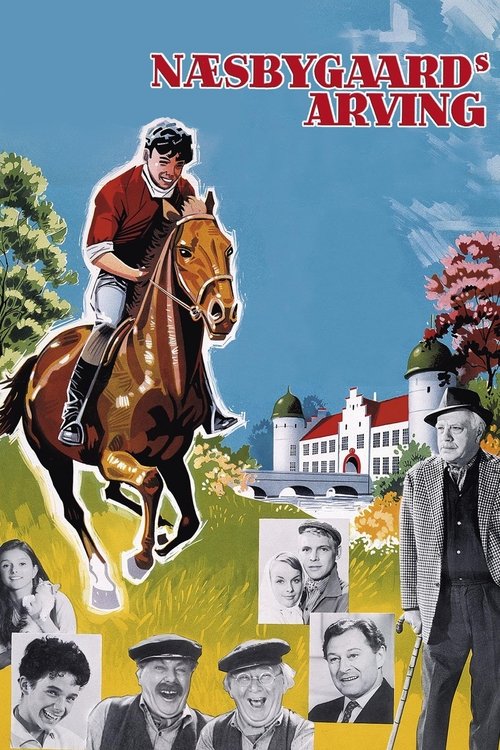
Landowner Martin Kaas lives with his grandson Martin at Næsbygård. Martin is an avid horseman. One day, his horse loses a shoe, so Martin goes to see the village blacksmith Mortensen, where he meets the blacksmith's foster daughter Elise. The blacksmith is known to be an honest and religious man, but no one but Elise knows how brutal and cruel he really is. Elise discovers that her foster father, together with the estate's manager Hermansen, is involved in many shady deals that are not in the best interests of the estate. Martin, who often feels lonely, forms a warm friendship with Elise. One day, Martin disappears, and a letter left on his bed reveals that he has been kidnapped and that only a large ransom can bring the boy back.
1964

1937
1979

1945
1952

1946

1953

2015
No reviews yet. Be the first to share your thoughts on this movie!
Use the rating form above to leave a star rating and optional review.