
A Brighter Summer Day
1991
No user ratings available yet
Representation score: 4.0 out of 10
Representation Score
Good
1994
RDirector
Doug McHenry
Runtime
119 minutes
Average Rating
No ratings yetNew Showbiz Analysis
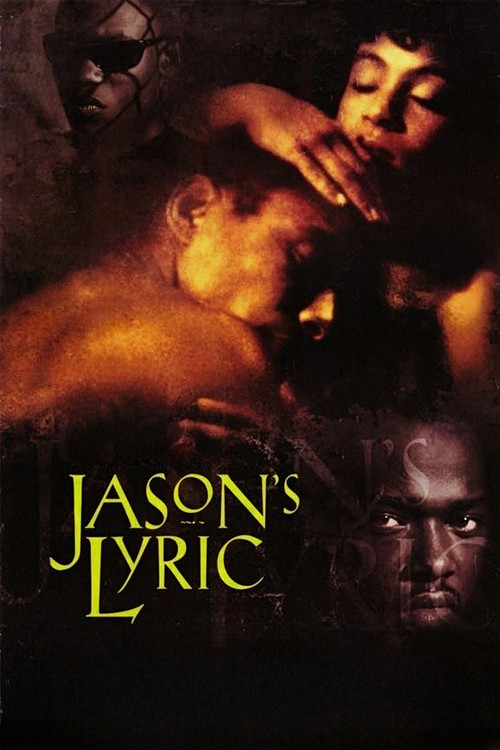
Jason's Lyric is a deep exploration of Black identity and the complexities of generational trauma. By centering the Black American experience, the film avoids color-blind casting and allows its characters to drive the narrative through their own cultural and socioeconomic realities. The film stands out by challenging traditional masculine archetypes. Instead of a stoic figure, the protagonist is defined by his capacity for fear and emotional connection. This vulnerability, paired with female characters who have significant influence and engage in meaningful dialogue, offers a nuanced perspective on gendered expectations. However, the film is limited by its exclusive focus on heterosexual relationships and a lack of explicit representation for physical, sensory, or neurodivergent disabilities. While it addresses psychological trauma, it does not offer a broad range of identity-based visibility.
Category Breakdown
The film focuses solely on heterosexual relationships and does not include any non-straight or non-cisgender identities. There are no critiques of the assumption that everyone is straight or cisgender.
The narrative challenges traditional masculine roles by highlighting Jason's emotional vulnerability and trauma. Female characters like Lyric play significant roles in driving the story and engage in meaningful conversations with each other.
The film features an almost entirely Black cast, focusing on the Black American experience. Characters of color are central to the story, shaping its direction and outcomes.
The story deconstructs the traditional nuclear family, showing it as a site of systemic dysfunction. It portrays socioeconomic struggles through a lens of broader societal issues rather than individual moral failures.
The film does not explicitly depict physical or sensory disabilities. However, it touches on psychological trauma and PTSD, though it does not specifically represent neurodivergent conditions.
Present on Screen
Limited or Absent
Official Synopsis
The story of a young man who must confront his own fears about love as well as his relationships with family and friends.
1991

1988

1999

2003

1990

1990

1991

1999
No reviews yet. Be the first to share your thoughts on this movie!
Use the rating form above to leave a star rating and optional review.