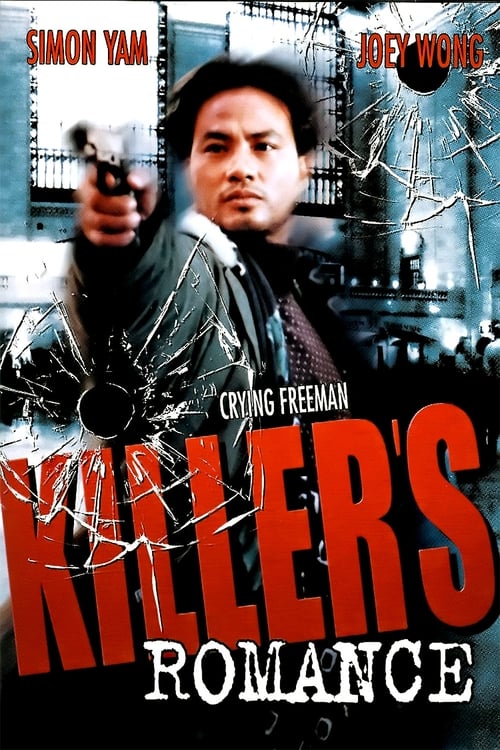
Killer's Romance
1990
No user ratings available yet
Representation score: 4.4 out of 10
Representation Score
Limited
1989
Director
Patrick Tam Kar-Ming
Runtime
91 minutes
Average Rating
No ratings yetNew Showbiz Analysis
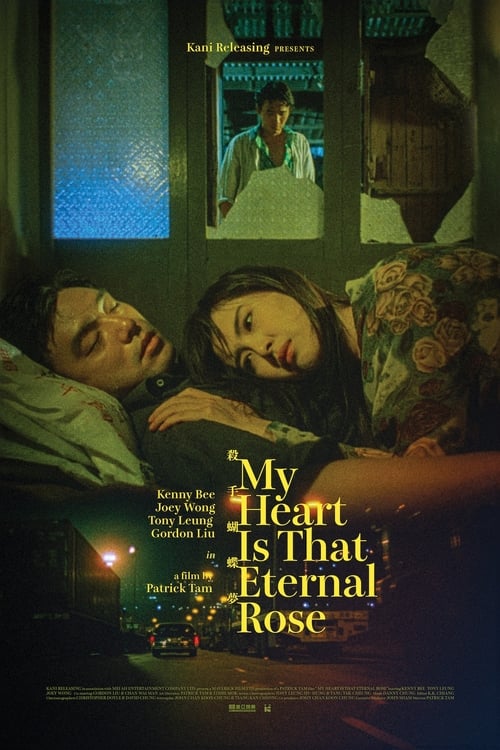
My Heart Is That Eternal Rose is a genre-driven crime romance that relies heavily on established archetypes. The plot follows a tragic cycle of separation and reunion, driven by the fatalism common in late-80s Hong Kong cinema. The film lacks a deliberate effort to challenge social hierarchies or explore the overlapping aspects of identity. Instead, it leans into traditional power dynamics, particularly regarding the gendered roles of its protagonists. While the setting provides a specific cultural lens through its focus on Cantonese-speaking characters and Triad underworld hierarchies, the narrative remains focused on individual emotional fallout rather than systemic or diverse social representation.
Category Breakdown
The story revolves around a traditional heterosexual relationship between a man and a woman. There are no indications of queer-coded subtext or non-binary gender identities.
The film employs gendered clichés where the female character is portrayed as a passive victim and the male character as an active killer. This results in a dynamic where the female character has less control over her fate.
The narrative is set within Cantonese-speaking Triad culture. A shift to the Philippines hints at a broader regional scope, but the depth of this ethnic representation is unclear.
The film focuses on underworld hierarchies and personal tragedy rather than broader socio-political themes. It prioritizes romantic melodrama over systemic critiques or anti-capitalist messages.
There are no characters with visible or invisible disabilities mentioned in the narrative.
Present on Screen
Limited or Absent
Official Synopsis
The fallout resulting from a botched Triad gang smuggling job forces a young couple to separate - she becomes a kingpin’s unwilling moll and he travels to the Philippines to work as a contract killer. Six years later, the two are reunited in a chance encounter, but their rekindled emotions and people from their past lead them into extreme danger.
1990
1988

1994
1999
1996
1994
1992
2004
No reviews yet. Be the first to share your thoughts on this movie!
Use the rating form above to leave a star rating and optional review.