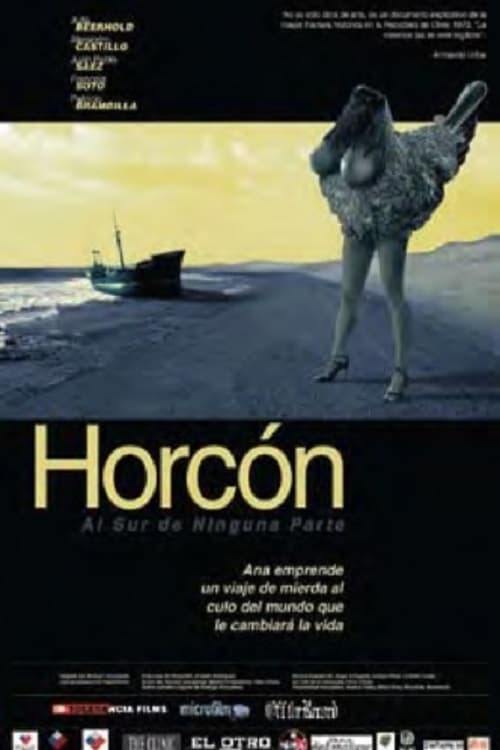
Horcón, al sur de ninguna parte
2005
No user ratings available yet
Representation score: 5.3 out of 10

Representation Score
Good
2005
Director
Joel Zito Araújo
Runtime
85 minutes
Average Rating
No ratings yetNew Showbiz Analysis
Daughters of the Wind is a sophisticated exploration of identity that goes beyond token representation. By focusing on non-traditional lives and female empowerment, the film challenges conventional cinematic and societal norms. The narrative successfully provides a complex, character-driven examination of personal freedom. It uses a specific Brazilian setting to explore themes of liberation and social pressure. While the film excels in representing gender and LGBTQ+ identities, it remains more focused on the cultural and racial dynamics of its local context.
Category Breakdown
The film focuses on lesbian relationships and female sexuality, making these central to the story. It challenges typical expectations by offering a detailed look at queer life in a specific region.
The narrative emphasizes women's roles and identities, shifting power away from traditional patriarchal structures. It highlights the importance of relationships among women.
The film provides an authentic depiction of life in Minas Gerais, Brazil. It uses a culturally specific perspective that avoids Anglo-centric storytelling norms.
The story examines personal identity rather than strict religious rules. It questions how traditional community structures and social pressures affect individual freedom.
There is no significant evidence regarding the portrayal of visible or invisible disabilities in this work.
Present on Screen
Limited or Absent
Official Synopsis
In a small town in the State of Minas Gerais, Brazil, two sisters meet again after years apart.
2005
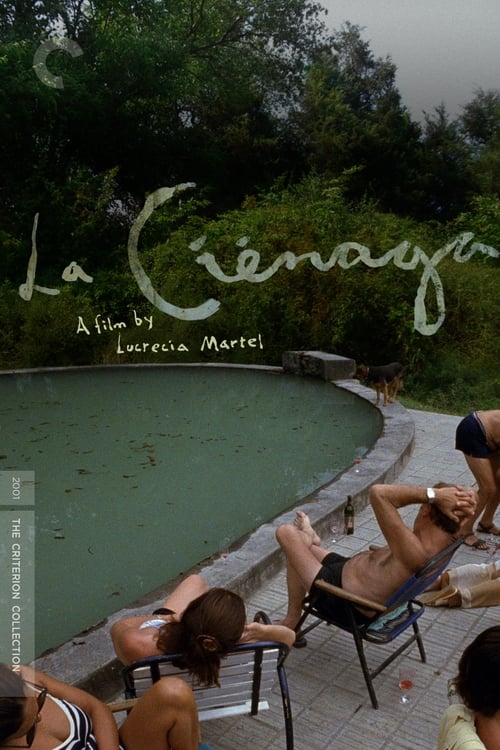
2001

2005

2005

2017
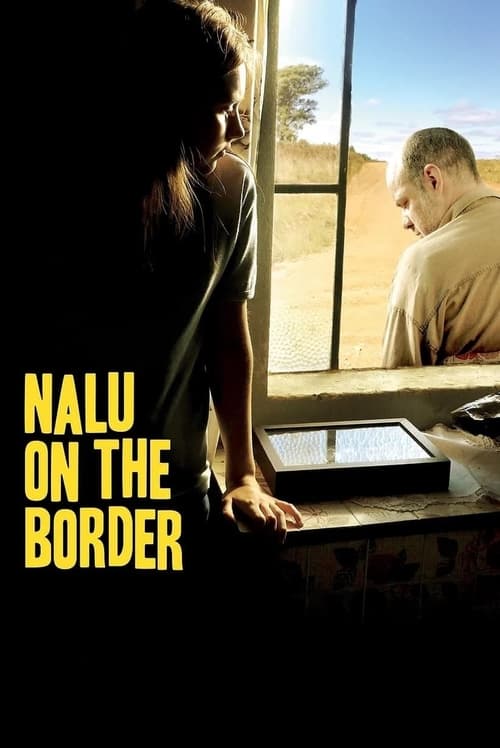
2017

1971
2003
No reviews yet. Be the first to share your thoughts on this movie!
Use the rating form above to leave a star rating and optional review.